
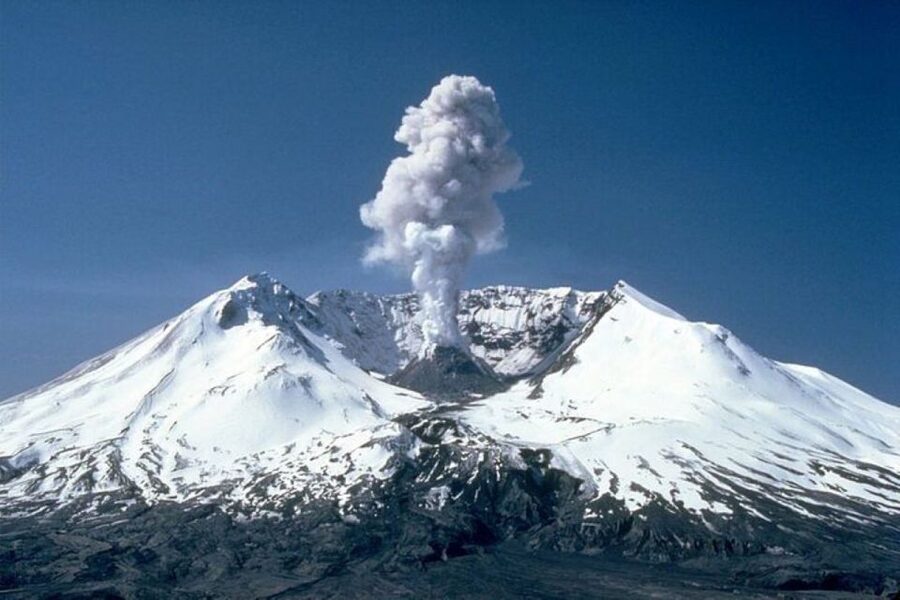
REVIEW · MOUNT ST HELENS & CASCADES TRIPS
From Seattle: Mt Saint Helen Tour
Mount St. Helens hits different up close. This guided day trip builds a clear story from the blast zone to today’s regrowth, and I love how Johnston Ridge Observatory turns geology into something you can actually picture. I also like the small group pace, limited to 14 people, which makes it easier to ask questions without feeling rushed.
One possible drawback: lunch is not included, so you will want to plan your own food for a full day out.
Key points
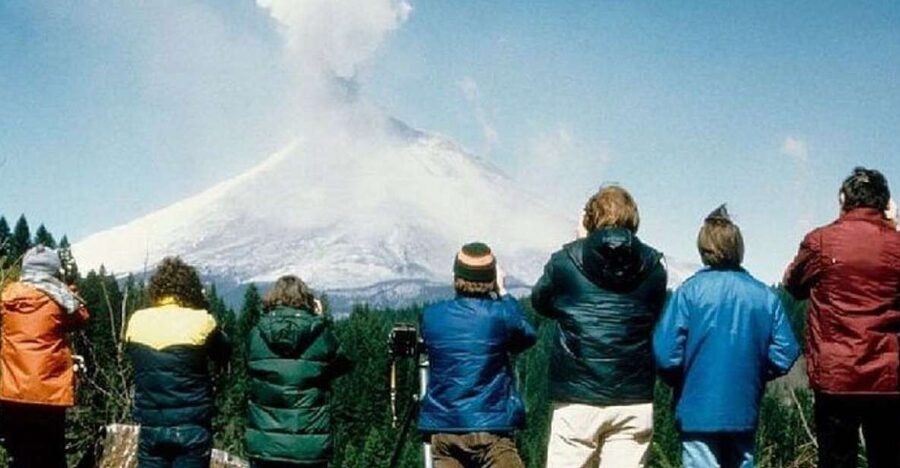
- Seasonal Johnston Ridge access: the observatory is open seasonally, so timing matters.
- USGS-linked monitoring story: learn how monitoring data from the observatory feeds analysis at the USGS Cascades Volcano Observatory.
- David Johnston gets center stage: the ridge and observatory tie the landscape to the USGS volcanologist who was on duty in 1980.
- Big picture regrowth time: you get guided time at Coldwater Lake to see how the area is coming back.
- Time on the mountain viewpoints: you spend a long block of time around Mt. St. Helens for scenic and geological sightseeing.
A science-focused day on Mt. St. Helens from Seattle
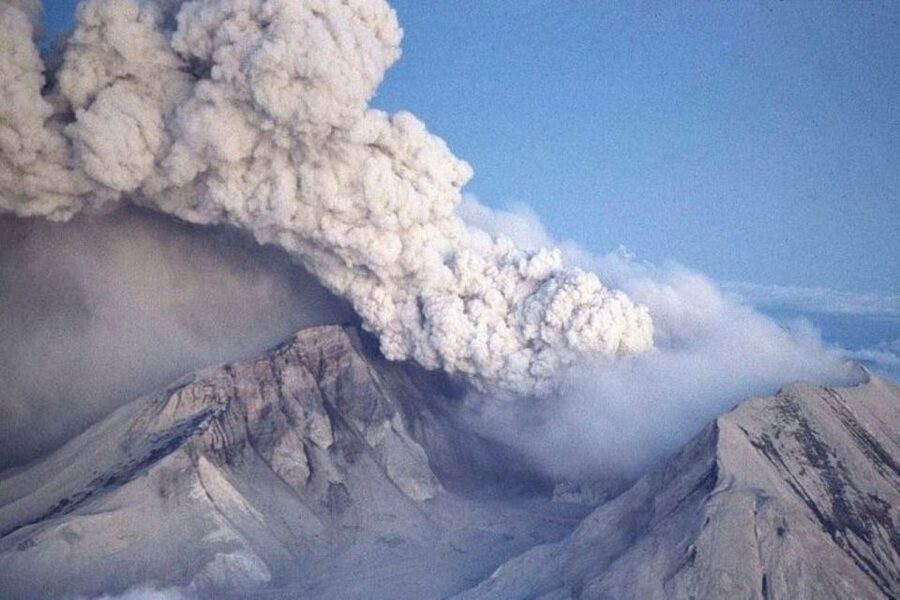
If you have ever seen Mount St. Helens in photos, you already know it looks dramatic. What you might not expect is how fast your brain starts working like a geology textbook once you have a guide pointing out what changed and what is growing back.
This is a full day, running 9 hours from Seattle with a live English guide and small group size. You are not just driving past viewpoints. You are stopping at places where you can learn why the 1980 eruption reshaped the mountain and the surrounding ecosystem.
I like this kind of outing because it gives you context. Standing in the blast zone without a story can feel like staring at a big scar in the ground. With the right explanations, it becomes a living lesson in cause, effect, and recovery.
Still deciding? These Seattle bookings are the ones travellers keep coming back to.

What you get for $285: guide time, pickup, and included essentials
At $285 per person, this is not a budget bus ride. But you are paying for convenience plus real guided interpretation across multiple locations in one day.
Here is what is included:
- Pick-up and drop-off from Seattle
- Bottled water
- A live English tour guide across the stops
What is not included is just as important for value. Lunch and breakfast are on you. If you show up hungry, the day can feel more expensive than it really is because you will be spending extra anyway.
For me, the value equation works best if you do not want to manage the logistics yourself. You get the route structure and the guide’s explanations, including details that are hard to piece together on your own.
Seattle to Mt. St. Helens: settle in for a long scenic stretch
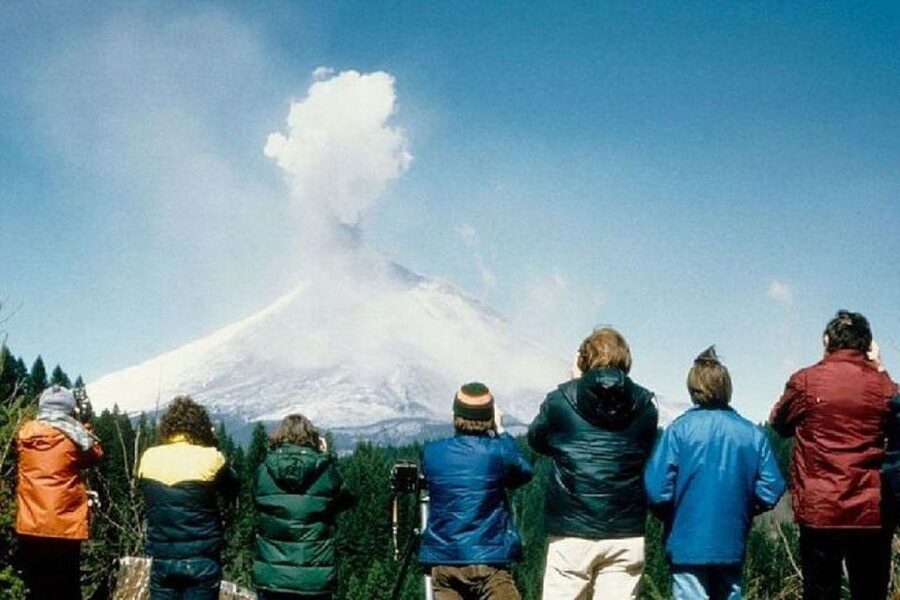
Your day starts with pick-up in Seattle, and then the tour focuses on getting you to the mountain with scenic views along the way. The key thing to understand is that you are committing to a 9-hour outing, with several fixed time blocks.
That matters for planning. If you tend to get restless on longer rides, bring something simple for the ride time, like a book, music, or a snack you can eat later. You will have better mental energy when you arrive at each stop.
Dress matters here too. Even when the forecast is decent in the city, volcanic country can feel different, especially around observatory areas where wind can pick up. Layers are your friend.
Mt. St. Helens sightseeing: turning iconic views into real understanding
The tour’s biggest time block is devoted to the Mt. St. Helens stop, with about 4 hours for visiting and scenic views. This is your main chance for photos and for watching how the terrain changes around the blast area.
What I like about this portion is the learning angle. The mountain’s image is famous worldwide, but the story behind it is what makes it stick. Life changed in an instant during the events leading up to the 1980 eruption, and the mountaintop’s geography was permanently changed. When your guide frames what you are seeing, the scenery stops being abstract.
Also, this part is about what you can see now. Today, you get to connect the eruption’s impact to the flora and wildlife that contribute to reforestation and recovery. That combo, past destruction plus present regrowth, is where this tour feels most meaningful.
Possible drawback: it is a long stretch at the mountain, so if you prefer lots of short stops with quick exits, you may find this segment a bit more extended than you expected. The upside is you get time to linger with the guide and take in the details.
Coldwater Ridge Visitor Center: guided context before you look closer
Next comes Coldwater Ridge Visitor Center for about 1 hour of guided touring and sightseeing. This stop works like a setup act. It gives you the context you need before the observatory, where the science story gets sharper.
In plain terms, the visitor center is where you start connecting the dots: what happened, where it happened, and why the region looks the way it does. I find this especially helpful because Mt. St. Helens is not just one “look at the volcano” moment. It is a whole system of features shaped by the eruption.
A consideration here is that visitor centers are weather dependent in the sense that conditions can affect how comfortable you are outside. If it is chilly or windy, you will do better if you plan for that.
Johnston Ridge Observatory: the David Johnston moment and modern monitoring
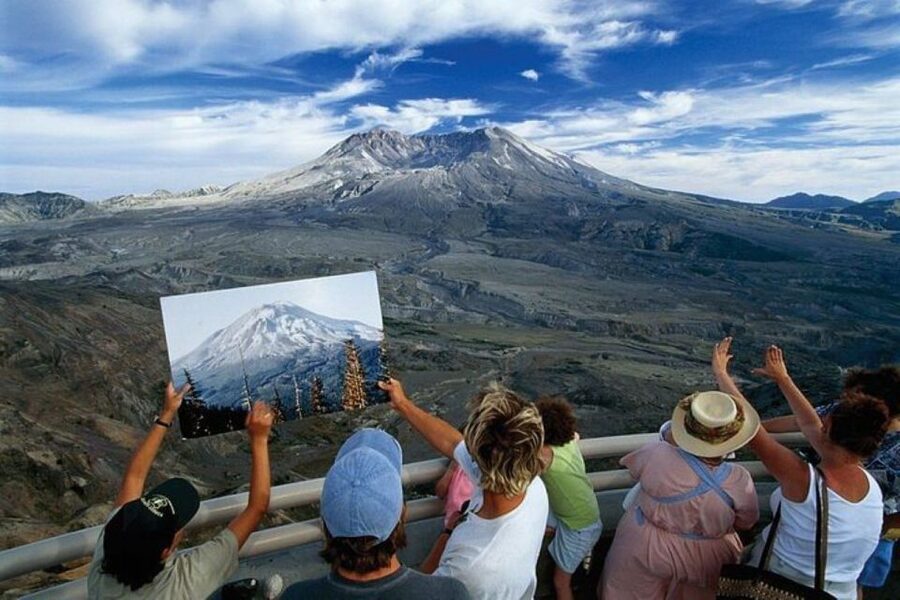
The tour then shifts to Johnston Ridge Observatory for up to 4 hours. This is one of the most compelling parts of the day because it connects history, human stakes, and current science in one place.
A few standout details to keep in mind:
- The observatory is on Johnston Ridge in the center of the 1980 blast zone, about 8 km (5 miles) north of the summit.
- The ridge is named for David Johnston, a USGS volcanologist who was on duty at the USGS Coldwater II observation point during the May 18, 1980 eruption.
- He was one of 57 people who lost their lives in the eruption.
You are not just looking at a view here. The observatory building houses seismic, deformation, and other monitoring equipment. That data relays to the USGS Cascades Volcano Observatory for analysis. In other words, this stop is not frozen in the past. It is part of how the region watches for change.
Why I think this matters for you: if you want to understand volcanic risk beyond awe, you need to see how monitoring works. Even without getting technical, the story of what scientists measure and why it matters can make the whole day feel grounded.
Seasonal note: Johnston Ridge Observatory is open seasonally. If you are traveling in shoulder season, timing can affect whether this is available on your date. If it matters to you most, plan your trip around the season when the observatory is actually operating.
- Beneath The Streets Underground History Tour★ 4.5 · 8,006 reviews
- Chef Guided Food Tour of Pike Place Market★ 5.0 · 3,733 reviews
- Mt. Rainier National Park Highlights Tour★ 5.0 · 3,156 reviews
Coldwater Lake: reforestation in practice, not just in theory
After the observatory, you head to Coldwater Lake, Washington for about 1 hour, with a guided visit. This is your change of pace moment, shifting from monitoring equipment and eruption history to the lived reality of recovery.
This stop ties back to the idea of reforestation and the flora and wildlife that are part of the remarkable return of life after the blast. You are still in the same overall story, but the tone changes. Instead of only asking what was destroyed, you get to ask what is coming back and why.
Practical tip: use this time to look slowly. Recovery can be subtle if you rush, especially when you are used to thinking of forests as instantly recognizable. Your guide can help you pick out what is worth noticing, but you still need a few minutes of patience.
Potential drawback: because it is only about 1 hour, you might want to arrive mentally ready to focus. If you treat this like a quick photo stop, you will miss some of the guided value.
Price and logistics: is it worth it versus renting a car?
Here is the honest comparison. You could theoretically drive yourself, but you would be doing three things without built-in help:
- trying to stitch together the story of 1980 from signage alone
- missing the connections between places that a guide explains
- spending time on navigation and timing instead of sightseeing
This tour packages those pieces. You get Seattle pick-up and drop-off, bottled water, and a live English guide working through multiple stops that relate to eruption history and today’s recovery.
Where you need to be realistic is food and your own comfort. Lunch and breakfast are not included, so you should plan for that extra expense and bring whatever you prefer for eating. Also, the tour is not suitable for wheelchair users, so accessibility needs are limited.
If your goal is guided geology and a well-paced, story-driven day, the price can feel reasonable. If your goal is spending the day strictly on your own schedule, you might decide to DIY.
How to plan for weather, pace, and a smooth long day
Because this is a 9-hour tour with multiple stops, your comfort plan matters more than usual.
Here is what you can do before you go:
- Pack food for lunch since it is not included
- Bring layers for cooler wind near viewpoints and observatory areas
- Wear shoes that work well on uneven ground, since you will be moving around at visitor sites
- Keep a bit of flexibility in mind, because the observatory is seasonal and conditions can change how comfortable outdoor time feels
One more practical note: in small groups, the best experience usually comes from asking questions. This tour’s format makes questions easier to handle because the group is limited to 14.
And based on guide feedback from past guests, you can expect a guide who is willing to work with the pace of the group, answer questions patiently, and offer options when you reach stops. If you happen to get a guide like Chad, he is described as exceptional for being on time, accommodating, and flexible with what the group wants to do next. Another guide named Bob also earned praise for making the day fun and for helping guests explore. (That means your experience can feel like a partnership, not a lecture.)
Who this tour fits best
This is a strong fit for you if:
- You want a guided, story-driven day on Mount St. Helens, with geology and recovery explained in human terms
- You prefer a small group, where you are not competing with a crowd for attention
- You care about the science side, especially how monitoring connects the present to the 1980 eruption
It is less ideal if:
- You need wheelchair accessibility, since the tour is not suitable for wheelchair users
- You hate long days in a vehicle, because it is a full 9-hour outing
- You want a totally self-directed schedule, since stops are fixed and the pace is guided
Should you book this Mt. St. Helens tour?
If you want the fastest path to understanding what happened in 1980 and what is happening now, I think booking makes sense. The combination of Mt. St. Helens sightseeing, Coldwater Ridge Visitor Center context, Johnston Ridge Observatory science and the David Johnston story, and guided time at Coldwater Lake is exactly the kind of structure that turns a famous volcano into a real learning day.
Book it if you are comfortable planning your own meals and you can handle a long day outdoors and in the car. Skip it if you need wheelchair access or if you prefer to explore on your own with no guided explanation.
FAQ
How long is the Mt. St. Helens tour from Seattle?
The tour duration is 9 hours.
Where is the pickup location?
The pickup location is Seattle.
What is included in the price?
The tour includes pick-up and drop-off, and bottled water.
Is lunch included?
No, lunch is not included. Breakfast is also not included.
How big is the group?
This is a small group limited to 14 participants.
Is the tour wheelchair accessible?
No, the tour is not suitable for wheelchair users.
What is the cancellation policy?
You can cancel up to 24 hours in advance for a full refund.
More Tours in Seattle


More Tour Reviews in Seattle
Newest on the Seattle desk
- Seattle: Twilight Tour and Olympic National Park
★ 5.0 · 3 reviews - Where the Hops Grow! Yakima Brewery Tour
★ 5.0 · 3 reviews - Forks Town, Twilight Movie, Olympic Small Group 1 Day Tour
★ 5.0 · 3 reviews - Tacoma & Gig Harbor Hotel Transportation To/From Seattle Airport
★ 5.0 · 3 reviews - Awesome Scavenger Hunt: Seattle By The Sound
★ 3.5 · 3 reviews
Mount St Helens & Cascades Trips, side by side.
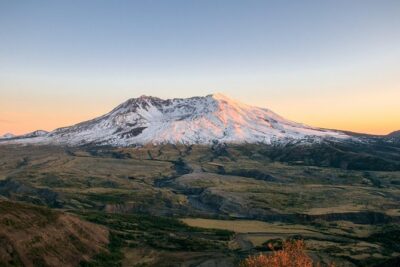 ★ 5.0Mt. St. Helens National Monument from Seattle: All-Inclusive Small-Group TourFrom $344129 reviews
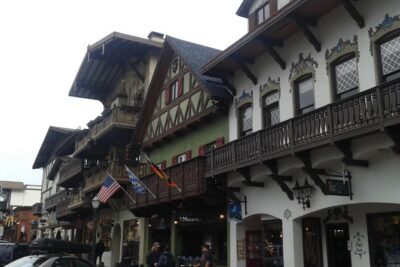 ★ 5.0Luxury Leavenworth Day Trip through the Cascade MountainsFrom $35261 reviews
 ★ 5.0Mount Baker Climb Tour from Washington17 reviews
 ★ 4.0Small-group Mt. St. Helen National Park Tour from Seattle in SUVFrom $37511 reviews
 ★ 4.7Mt. St. Helens National Monument Small Group TourFrom $3269 reviews
 ★ 4.0Leavenworth and North Cascades Sightseeing TourFrom $1259 reviews
 ★ 5.0Private Cascade Mountains and Waterfalls Tour from SeattleFrom $3526 reviews
 ★ 3.0From Seattle – Enchanting Mt Baker and Cascades Tour in SUVFrom $3956 reviews
Seattle pages with this tour