
REVIEW · SKAGIT VALLEY TULIP FIELDS & BIRDING
Upper Skagit Introductory Whitewater Rafting Trip
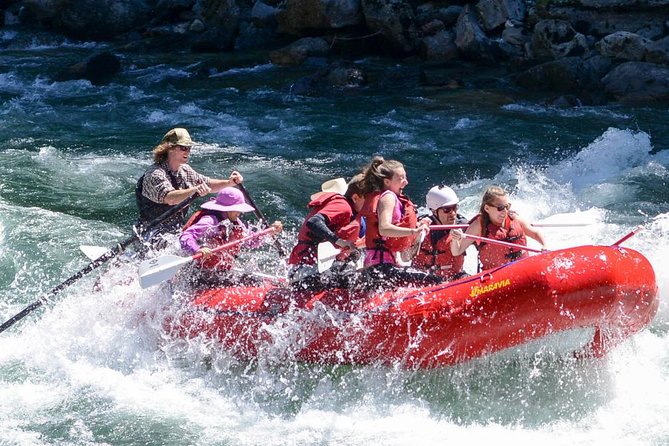
Cold water, big peaks, easy rapids. The Upper Skagit Introductory Whitewater Rafting Trip is a smooth first taste of rafting, with a mix of moving rapids and flatter stretches where you can catch your breath (and take a planned swim). It also puts you at water level for towering North Cascades views, and it works well for families.
I really like how the day runs on rails. You get shuttle and equipment logistics handled, plus a professional guide who keeps everyone pointed the right way. I also love the North Cascades scenery from the raft, especially on a river shaped by heavy glaciation.
One thing to consider is the cold. Wetsuits are not included, so you will likely want rentals available for chilly conditions, and you should plan for no food or drinks being provided.
Key points worth knowing before you go
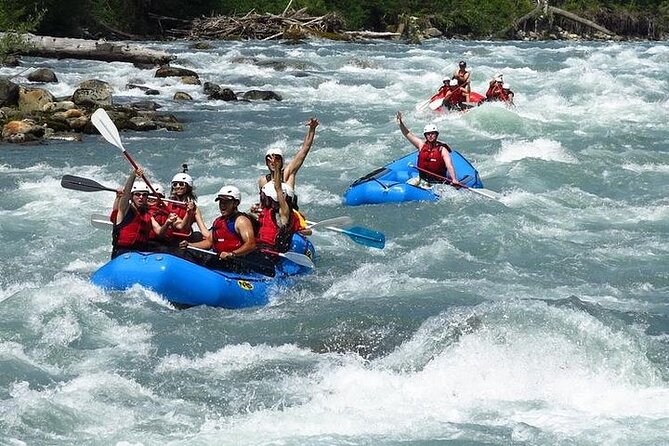
- Intro-friendly rapids with time on flatter water so the day feels relaxed
- North Cascades views from water level on a famously glaciated river
- All the safety and core rafting gear included plus hypothermia gear and medical supplies
- Family-friendly minimums (age 5 and up, with an adult)
- Cold-water planning matters, since wetsuits, food, drinks, and a water bottle are not included
- Smallish group size with a maximum of 50 people
Marblemount meeting point, shuttle support, and a day that stays simple
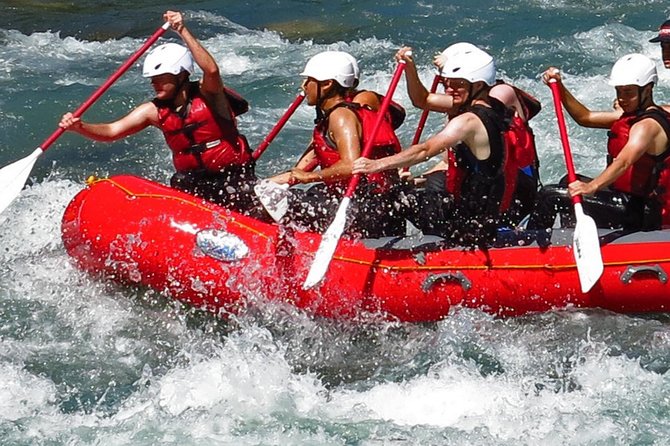
You start at the Marblemount Boat Launch, 5872 Cascade River Rd, Marblemount, WA 98267. The trip ends back at the same meeting point. Timing is about 3 hours 30 minutes total, with around 2 hours on the Skagit River itself.
If logistics stress you out, this helps. The setup includes equipment and a shuttle plan so you are not doing the hard part with parking, transfers, and hauling gear. You also get a mobile ticket, which keeps things low-fuss once you are in place.
The trip is capped at a maximum of 50 people. That matters because it usually means you spend less time waiting around and more time getting on the water with your raft. It is also offered in English, so you are getting full safety and trip context without guessing.
Still deciding? These Seattle bookings are the ones travellers keep coming back to.


What you actually do on the Skagit: calm time, then friendly rapids
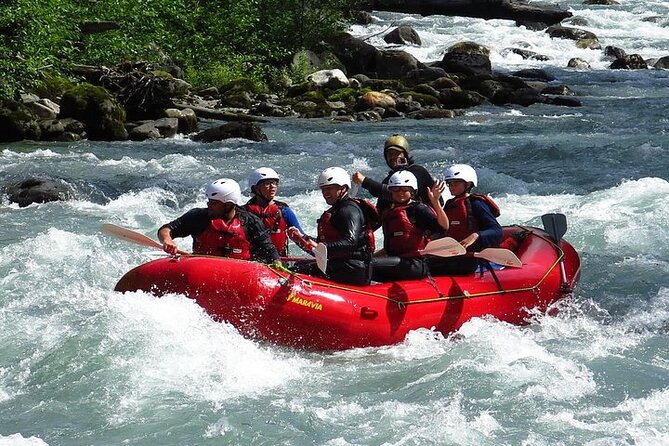
This is an introductory course. That means you should expect a river that feels approachable, not punishing. The raft route includes a mix of rapids and flat water, so you get chances to reset your body and enjoy the scenery between the action.
From what you can infer about the trip style, it often lands around mostly Class II with one stretch that can run into Class III territory. That is usually the sweet spot for first-timers: enough push to feel like whitewater, but not so intense that the day turns into survival mode.
One review-style detail that helps your expectations is that the rafting stretch can be on the order of about 7 to 9 miles. You get a real run, but you are not out there all day. You should feel like you did a full experience, not just a short taste.
Also, because the river has flat stretches mixed in, you may get real swim opportunities if you end up in the water. The key is that these are not random, scary surprises. You will get safety instructions so you understand what to do and how to behave.
North Cascades peaks at raft level, and why the river stays cold
The big visual payoff is where the river takes you. This trip runs on the Skagit River in the region tied to North Cascades National Park, on a river described as the most glaciated in the lower 48. In plain terms, that glaciation is why the water tends to feel sharply cold, even in warmer months.
So yes, you will see towering North Cascades peaks from the raft. But you will also feel what the environment does to your body. You are not just sightseeing from shore. You are moving through a glacial-fed river system, which means you feel the chill every time you splash.
This is one reason I think this trip works so well as a value pick. For $115, you are paying for the guiding and the gear, but you are also buying time on the water where the scenery is harder to get any other way. If you want big mountains in a short window, this is a smart route.
Safety that is not just paperwork: video, waiver, PFDs, and hypothermia gear
Before you ever touch the river, you do the safety basics. You watch a safety video and sign an online liability waiver. There is also a clear process for getting checked in and suited up.
On the safety side, the included gear list is a big deal. You get:
- Professional guide support
- PFDs (life jackets)
- All necessary rafting equipment
- Hypothermia gear
- Safety equipment and medical supplies
That combination matters for first-timers. You are not just renting a jacket and hoping for the best. The hypothermia gear is there because this river is cold, and getting wet can happen quickly in moving water.
The guides also shape how the trip feels. Multiple guide names show up in past trips, including Emily, Eric, Andrew, Ethan, Fin, Doug, Hannah, Riley, Josh, Carly, and Connor. While each guide has their own personality, the common thread is clear, calm instruction paired with a fun attitude. On a first rafting day, that mix helps you relax and learn at the same time.
Cold-water reality: what to wear and what to bring
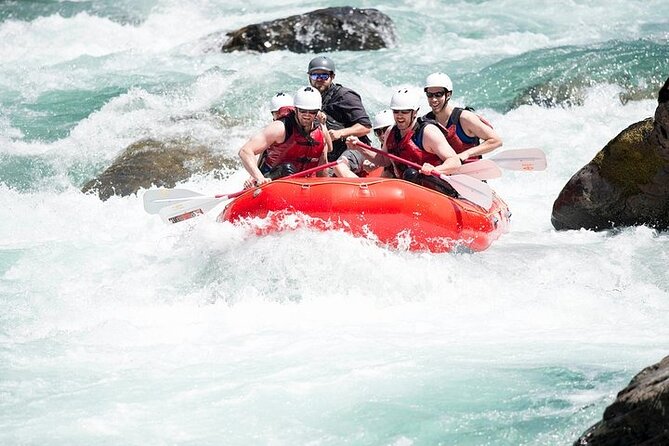
Even with hypothermia gear provided, you should plan like you will get wet. Wetsuits are available for rent, but they are not included in the base price. Late spring and summer rafting can still feel freezing once the wind hits your clothes or your raft hits a wave.
Here is what I suggest you pack or plan for:
- A change of warm clothes for after the trip
- Layers you can wear comfortably under your provided gear
- A water bottle, since water is not provided
- Food and drinks are not included, so plan a snack before or after
Also keep a moderate fitness level in mind. This is not extreme hiking, but rafting still involves sitting, bracing, and moving your body when the raft hits waves. If you can handle light exertion and staying upright for a couple hours, you are in good shape.
And if you are prone to getting cold easily, treat that as useful information. The trip includes hypothermia gear, but your comfort will depend on how you dress for the cold.
Price and value check: what $115 really buys
At $115 per person, the trip looks expensive until you break down what you are actually getting. The included pieces cover the most costly parts of a rafting day for many companies: the guide, the life jacket, and the core raft equipment.
Your $115 includes:
- Professional guide
- PFDs
- All necessary equipment
- Hypothermia gear
- Safety equipment and medical supplies
What is not included:
- Wetsuit rental (though it is available)
- Food and drinks
- Water bottle
That is the value story. You are not paying extra for the basics. You are paying for a guided, safety-focused experience where you do not need to own rafting gear to participate.
If you already have your own wetsuit and snacks, you might spend very little extra. If you do not, budget for wetsuit rental and a simple plan for calories and hydration.
- Beneath The Streets Underground History Tour★ 4.5 · 8,006 reviews
- Chef Guided Food Tour of Pike Place Market★ 5.0 · 3,733 reviews
- Mt. Rainier National Park Highlights Tour★ 5.0 · 3,156 reviews
Family-friendly, but follow the minimums closely
This is a family-friendly rafting option with kids welcome starting at age 5, as long as they are accompanied by an adult. There are also clear physical requirements: the minimum age is 5 years, and the minimum weight is 50 lbs.
Weight and life jacket sizing matter a lot on rivers, so there is a specific rule for smaller riders. Anyone under 90 lbs requires a specific life jacket, and you must announce this at booking in the special requirements box. Do not skip that step, because it affects what gear they can prepare.
This is why I like this trip for families who want an actual first rafting day without chaos. The safety gear is provided, the guides manage the process, and the trip pacing is suited to people who may not have raft experience.
Booking timing, group size, and what that means for your day
On average, this trip is booked about 26 days in advance. That suggests it can fill up, especially in busier seasons. If you have a specific time window in mind for Seattle area rafting, plan ahead rather than hoping for last-minute availability.
You also get confirmation within 48 hours of booking, subject to availability. That helps you finalize plans, but you still should not wait until the last day to reserve if your schedule is tight.
Maximum group size is 50. That is a comfortable cap for a half-day style activity, since rafting is hands-on and setup takes time.
Who this Upper Skagit introductory trip is best for
This trip fits best when you want rafting as an experience, not a punishment.
It is a great match for:
- First-time rafters who want a safe, guided intro
- Families with kids 5 and up
- Couples who want a short adventure with major mountain views
- People who prefer a mix of action and relax time
It may be less perfect if:
- You are an experienced rafter looking for a tough challenge all the way through
- You hate cold water and will not rent a wetsuit
The good news is the rafting style is built around balance. You do not just bounce from hard wave to hard wave. You get quieter stretches and a chance to enjoy the scenery while still getting real whitewater moments.
Should you book this Upper Skagit intro rafting trip?
If your goal is first-time whitewater with real North Cascades views and strong value for $115, I would book it. The equipment and core safety setup are included, the guides run a calm, structured experience, and the trip is designed for beginners, including families.
Do it if you are okay with cold water and plan for it. Rent a wetsuit if you run cold. Bring layers and a change of clothes. Pack a water bottle, since you will need it and it is not included.
Skip it if you want intense, nonstop rapids or you are not willing to deal with the chill. This is introductory rafting, not a hardcore test.
FAQ
How long is the Upper Skagit introductory rafting trip?
The total duration is about 3 hours 30 minutes, with about 2 hours on the river.
Where do we meet, and where does the trip end?
You meet at the Marblemount Boat Launch at 5872 Cascade River Rd, Marblemount, WA 98267. The trip ends back at the same meeting point.
What is the minimum age and weight for kids?
Kids must be at least 5 years old and weigh at least 50 lbs. Children must be accompanied by an adult.
Do I need to announce anything about my weight?
Yes. Anyone under 90 lbs requires a specific life jacket. You need to note this in the special requirements box at booking.
What safety steps are required before rafting?
You must watch a safety video and sign an online liability waiver before you go on the water.
Is the wetsuit included?
No. Wetsuits are available for rent, but they are not included in the price.
Are food and drinks included?
No. Food and drinks are not included, and you should also bring a water bottle since one is not provided.
What is the cancellation or change policy?
This experience is non-refundable and cannot be changed for any reason. If you cancel or request an amendment, you do not receive a refund.
More Tour Reviews in Seattle



Newest on the Seattle desk
- Seattle: Twilight Tour and Olympic National Park
★ 5.0 · 3 reviews - Where the Hops Grow! Yakima Brewery Tour
★ 5.0 · 3 reviews - Forks Town, Twilight Movie, Olympic Small Group 1 Day Tour
★ 5.0 · 3 reviews - Tacoma & Gig Harbor Hotel Transportation To/From Seattle Airport
★ 5.0 · 3 reviews - Awesome Scavenger Hunt: Seattle By The Sound
★ 3.5 · 3 reviews
Skagit Valley Tulip Fields & Birding, side by side.
 ★ 4.5Tulip Festival in Skagit Valley Tour from SeattleFrom $14528 reviews
 ★ 4.5Skagit Valley Tulip Festival Day Tour from SeattleFrom $1857 reviews
 ★ 5.0Tulip Festival and Skagit Valley TourFrom $2527 reviews
 ★ 4.0Tulip Festival at Skagit Valley ,La Conner and Deception PassFrom $2954 reviews
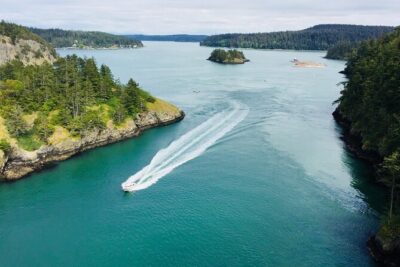 ★ 5.0Skagit Valley Birding + Deception Pass Day Tour From SeattleFrom $2623 reviews
Seattle pages with this tour