
REVIEW · HISTORIC SEATTLE WALKING TOURS
Six Women – A Historical Walking Tour
Six women, one tight walk in Pioneer Square. This tour is interesting because you’re not just reading names on plaques, you’re hearing how six very different women connected the past to today, stop by stop. I love the rarely visited corners of the historic district, and I love how the stories link across time and culture, all within about five blocks. One drawback to weigh first: the tour includes adult themes and trigger warnings like addiction, prostitution, suicide, and foul language.
I also like the small-group feel, with a maximum of 10 people, so the pace stays human and questions do not vanish into the crowd. You meet in front of Cherry Street Coffee House, and you’ll cover about 1.5 hours of walking, mostly in the Pioneer Square area. The guide running it is Carter Lee Churchfield, and the tone is lively, funny, and story-first.
Key moments that make this tour worth your time
- Six women, six stops, one compact area: everything happens within roughly five blocks around Pioneer Square.
- Obscure connections across centuries: you’ll hear how the stories interconnect in surprising ways.
- Guided at a story-telling level: Carter Lee Churchfield uses pictures, facts, and location to bring each person into focus.
- A mix of admirable and despicable lives: you get real moral mess, not sanitized history.
- Adult content is part of the package: plan accordingly if any of the trigger warnings might be tough for you.
- Great value for a short tour: at $35 for about 90 minutes, it’s priced like an efficient experience, not an all-day commitment.
Where Pioneer Square Becomes a Stage for Six Women
Pioneer Square is one of those Seattle neighborhoods where the sidewalks feel layered. You can look at the buildings and still miss what really made the place tick. This walking tour gives you that missing layer, by focusing on women who shaped Seattle in complicated ways across roughly the last 200 years.
The big idea is simple: you stay close to each other on the map, but the stories swing wide. That’s what makes it different from most history walks. Instead of treating the area like a museum hallway, you treat it like a living set, where each stop adds a new character and a new conflict.
And because the stops are close together, you spend your energy listening, not marching. It’s also a nice way to understand why Pioneer Square matters, without turning the day into an endurance test.
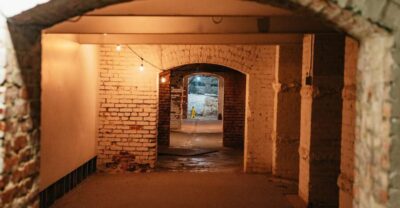
Deeper under Pioneer Square
Meet Carter Lee Churchfield, the Storyteller Behind the Tour
The tour is led by Carter Lee Churchfield, who has been giving tours in Seattle and Honolulu since 2012, with over 1,000 tours under her belt. That experience shows up in how the time feels used. You get the sense that Carter is not just reciting facts, she is building scenes in your head.
Multiple people highlight her ability to answer questions beyond the main narrative. That matters because some tours work like a movie trailer, you get highlights and then it’s over. Here, the guide encourages the follow-through, so you can dig into the parts that hook you personally.
Carter’s style also lands as engaging and funny while still respectful of the subject matter. If you learn best through stories, this approach helps the names, places, and themes stick.
The Six Women Stops: Native Princess to Mayor
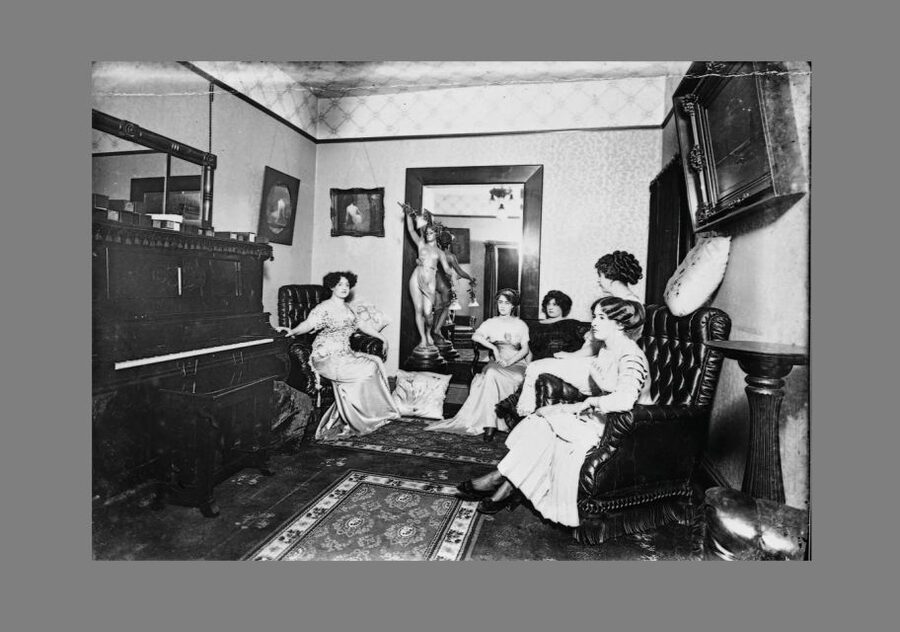
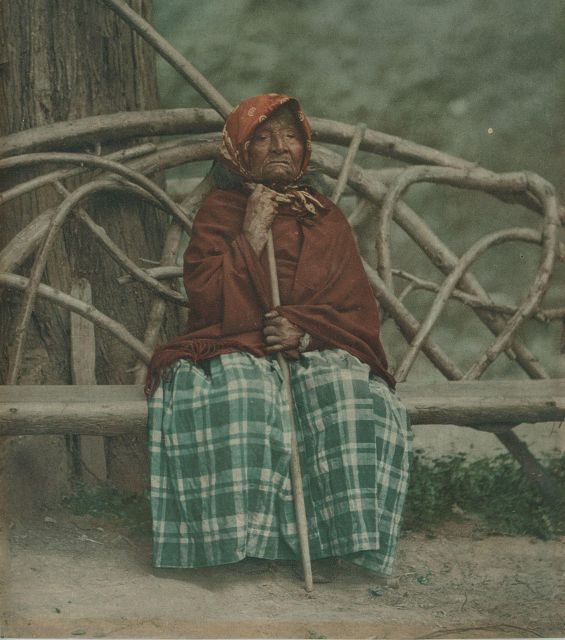
The tour uses six stops around Pioneer Square. You stand where the stories unfolded, within a walking radius of about five blocks, and you learn about six distinct women: a Native Princess, a Gay Icon, a Swindler, a Zealot, a Madame, and a Mayor.
Since specific names of the women are not provided in the details you shared, I’ll frame each stop by the role and theme Carter highlights, so you know what you’re walking into.
Stop 1: The Native Princess, Where Power Meets Place
This opening stop sets the tone. You start with a Native Princess, and the focus is on how identity, authority, and survival intersect in a city that was changing fast. Expect to notice how the historic setting can feel different once you learn what kinds of people were negotiating power in the background.
Why this works early: it gives context, then it reminds you that this neighborhood was never empty space waiting for settlers or businesses. It was lived in, claimed, and shaped by real people with real stakes.
Stop 2: The Gay Icon, Seattle Through Identity and Visibility
The next stop moves toward the story of a Gay Icon. Even if you know Seattle only through modern headlines, this kind of perspective widens the timeline. You learn how visibility, reputation, and community could matter long before today’s language existed in the way we use it now.
This stop is also a useful lens for the rest of the tour. You’ll start noticing how people are remembered, who gets written into local memory, and who gets pushed out.
Stop 3: The Swindler, When Charm Becomes Consequence
Then the tour takes a sharp turn, with a Swindler. This is where you get the darker edge of the walk, because deception and opportunism are human. The point is not to turn it into a cartoon villain story. It’s to show how systems, desperation, and social momentum can let someone manipulate trust and still end up leaving a footprint on a place.
If you like history that does not behave, this is a strong stop. It also helps balance the tour, because not every “important figure” is admirable.
Other Seattle walks on the same streets
- Seattle: Guided Underground Walking Tour★ 4.6 · 2,144 reviews
- Taste Pike Place Walking Food Tour★ 5.0 · 930 reviews
- Seattle Delicious Donut Adventure & Walking Food Tour★ 5.0 · 772 reviews
Stop 4: The Zealot, Belief That Can Heal or Harm
After that comes the Zealot. Expect a story where conviction changes how a person moves through the world, and how their beliefs can collide with other people’s lives. This stop often hits best when you pay attention to the emotional temperature of the narrative, not just the facts.
Why I think this stop matters: zealotry shows up in history again and again. Understanding one example gives you a mental tool you can apply to other times and other cities.
Stop 5: The Madame, Work, Survival, and Social Reality
Next is the Madame. This stop comes with one of the more serious adult themes flagged for the tour, including prostitution and addiction. The focus is likely on how survival and exploitation could overlap, and how someone could operate within a harsh economy of choices.
I appreciate that the tour does not pretend these topics were painless or purely theoretical. You get a sense of the social reality behind the buildings, and why some people’s lives look “successful” on paper while the costs were personal.
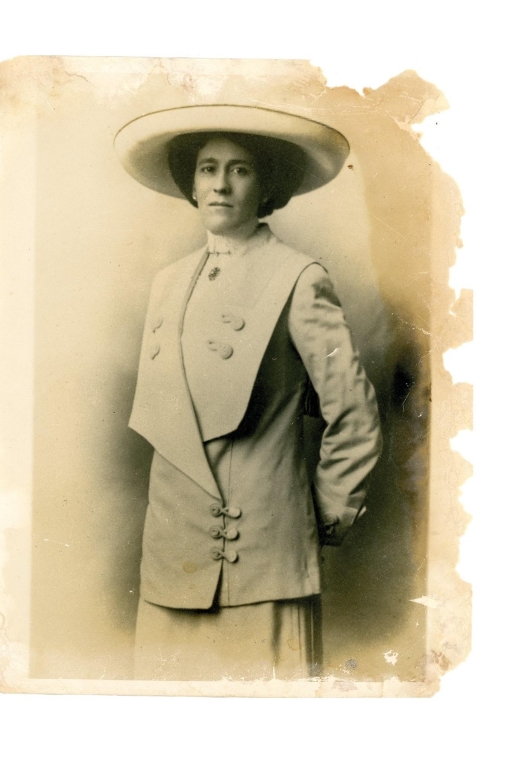
Stop 6: The Mayor, From Private Life to Public Power
The final stop features a Mayor. This is the end of the story arc where individual lives connect to the structure of a city. The Mayor theme gives you a contrast to earlier stops, showing how power becomes official, how reputation becomes policy, and how a city’s decisions can affect the people living inside it.
By the time you reach this last stop, you’ll probably understand the tour’s core payoff: the stories do not sit in separate boxes. They talk to each other, across time, across culture, and across what people choose to remember.
Why the Tour Feels Different From Usual Seattle History
A lot of walking tours give you dates and famous names. This one gives you something more useful for understanding a city: relationships between lives. The details provided describe it as obscure history that interconnects over centuries and across cultures, and that’s exactly the kind of history that changes how you look at the same street twice.
Because the featured women include both admirable and despicable figures, you also get a more honest feel for human behavior. Seattle’s growth was not only driven by builders and politicians. It was shaped by people operating in gray areas, by outsiders fighting for space, and by insiders who used power well or badly.
There’s also a strong “place-based” method. The stops are in a historic district within a tight area, so each story lands with visual context. Instead of imagining the setting, you’re using your eyes while the guide explains what you’re seeing and why it mattered.
And since the tour is original and unique, you’re not walking through the same repeatable script you might hear on every generic city tour.
Pace, Group Size, and Content: Plan This Tour Like a Smart Adult
The time window is about 1.5 hours, and it’s described as usually available in the morning. It’s a short walk, not an all-day commitment, and that matters for value. You can slot it into a day without wrecking your schedule.
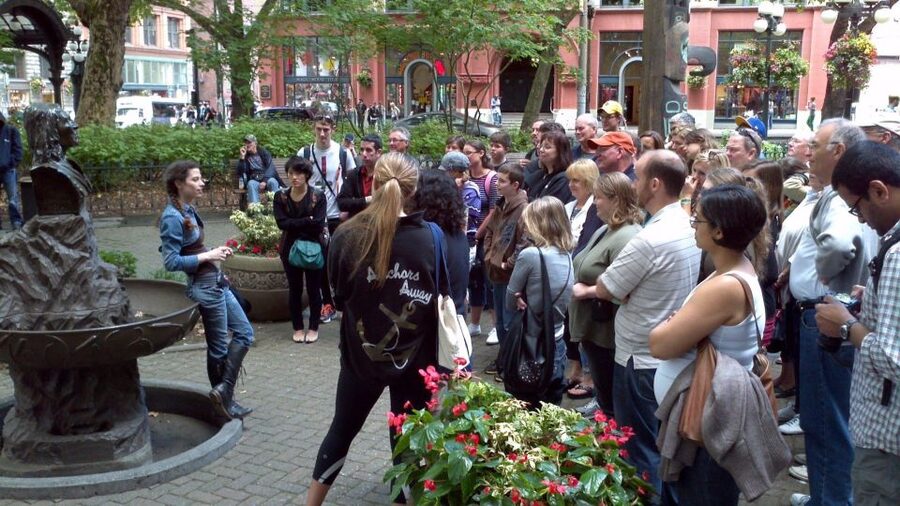
The group is small, limited to 10 participants. That helps the experience feel focused. You’re more likely to ask questions, and you’re less likely to lose key details because the guide is competing with a large crowd.
Accessibility is good in the practical sense: the tour is wheelchair accessible. The meeting point is also fixed, in front of Cherry Street Coffee House, so you know where to start.
Two content notes to treat seriously:
- It’s not suitable for children under 14.
- It includes adult themes and trigger warnings, including addiction, prostitution, suicide, and foul language.
If any of those topics might hit close to home, decide ahead of time. You do not need to “tough it out” for the sake of doing a tour. There are plenty of ways to learn local history that are easier on your nervous system.
Price and Value: $35 for a Focused 90-Minute Story Walk
At $35 per person, this is a straightforward ticket price for a guided, small-group, story-heavy walking tour. The value comes from a few practical factors.
First, you’re getting six stops in about 90 minutes, which keeps the storytelling dense. You’re not paying to walk in circles or watch the clock for long stretches.
Second, this is an original concept created by Carter Lee Churchfield, with a guide who has been doing this work since 2012. That tends to correlate with pacing and clarity, and the reviews tied to the guide’s performance mention her ability to go beyond the basic talk and answer questions.
Third, the tour focuses on rarely visited, historic locations. Even if you are familiar with Seattle, that kind of “where did that come from” payoff is worth money to me. You’re paying to be guided to places and perspectives you might miss on your own.
If you want a single quick activity that gives you a different lens on Pioneer Square, $35 does not feel like a splurge. It feels like a smart use of a short window.
Before You Go: Simple Prep for an Adult-Themed Walk
This is a walking tour, so wear shoes that won’t complain by the second stop. Bring a light layer, Seattle weather loves surprises.
Because adult themes are included, I suggest you pick the right time emotionally. Do it on a day when you have space to listen closely. This is not a comedy show in the usual sense. It’s storytelling with real consequences.
If you tend to get distracted in groups, use the first stop to get your bearings fast. When the tour is built around interconnecting stories, those early minutes matter. You’ll follow the threads better if you settle in right away.
If you’re visiting with friends, this one can work well for pairs and small groups. The small size helps people feel like part of the conversation instead of background noise.
Should You Book Six Women, a Historical Walking Tour?
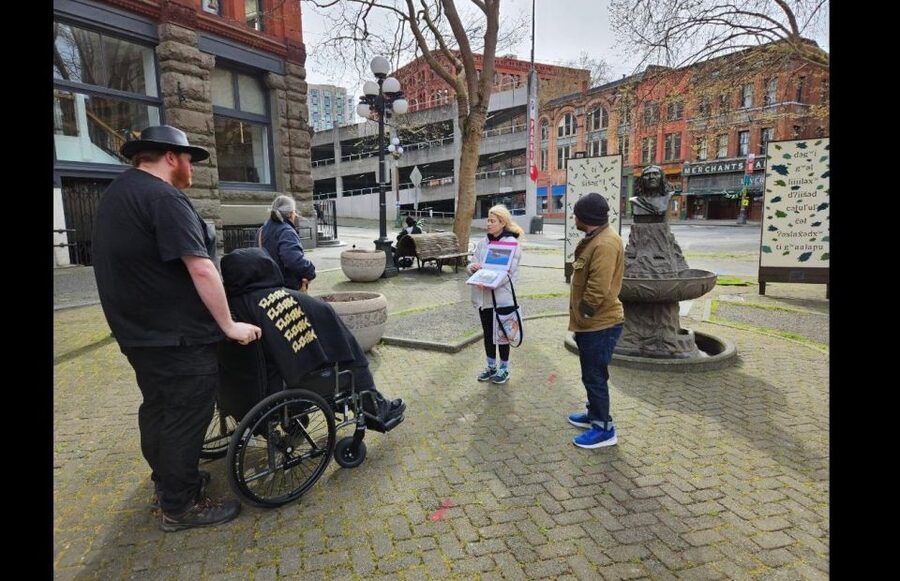
If you like Seattle history that reads like people lived it, not like a textbook, I’d book this. The tour’s strongest promise is the way it links six women across time, place, and culture, all within a compact walk in Pioneer Square. The small group, the short time commitment, and Carter Lee Churchfield’s storytelling style make it an easy “yes” for a single morning plan.
Skip it or think twice if the trigger warnings for addiction, prostitution, suicide, or foul language might be too much for you. Also, since it is not suitable for kids under 14, it’s best for adults and teens who are truly comfortable with adult themes.
If you want Pioneer Square to feel more human and less postcard, this is one of the more distinctive ways to do it.
FAQ
Where does the tour meet?
The group meets in front of Cherry Street Coffee House.
How long is the walking tour?
The duration is listed as 1.5 hours.
What is the price per person?
The price is $35 per person.
How big is the group?
The tour is a small group limited to 10 participants.
Is the tour suitable for children?
No, it is not suitable for children under 14.
What trigger warnings are included?
The tour includes adult themes with trigger warnings for addiction, prostitution, suicide, and foul language.
More Tours in Seattle



More Tour Reviews in Seattle
One Floor Down, Again


Newest on the Seattle desk
- Seattle: Twilight Tour and Olympic National Park
★ 5.0 · 3 reviews - Where the Hops Grow! Yakima Brewery Tour
★ 5.0 · 3 reviews - Forks Town, Twilight Movie, Olympic Small Group 1 Day Tour
★ 5.0 · 3 reviews - Tacoma & Gig Harbor Hotel Transportation To/From Seattle Airport
★ 5.0 · 3 reviews - Awesome Scavenger Hunt: Seattle By The Sound
★ 3.5 · 3 reviews
Historic Seattle Walking Tours, side by side.
 ★ 4.5Beneath The Streets Underground History TourFrom $298,006 reviews
 ★ 4.6Guided Underground Walking TourFrom $312,144 reviews
 ★ 5.0Henry Art Tours-Come See the Fun Side of Seattle Art/Pubs/History27 reviews
 ★ 4.0Seattle Downtown Quest: Self-Guided History AdventureFrom $726 reviews
Six Women: A Seattle History TourFrom $2920 reviews
 ★ 5.0Bite-Sized Seattle History & Food by Go West ToursFrom $2616 reviews
 ★ 5.0Queen Anne True Crime TourFrom $4515 reviews
 ★ 5.0Full-Day Small-Group Bainbridge Island Wine and History TourFrom $29914 reviews
Seattle pages with this tour