
REVIEW · SEATTLE MUSEUMS & ATTRACTION TICKETS
Seattle: National Nordic Museum Entry Ticket
A day at the National Nordic Museum feels surprisingly personal, even if you are not a museum person. I love that you can go at your own pace through Nordic Journeys, plus the artifact range is huge, from ancient stone tools to Viking-era finds and 20th-century design. One drawback to plan for is that, like many small museums, it can get loud if you visit during peak family times.
What makes this ticket worth your time is how the museum connects Nordic values and cultures to Seattle itself. You are looking at history from 12,000 years ago, then jumping forward to Nordic emigration and why Ballard became part of the Pacific Northwest story. If you want total quiet, give yourself some flexibility and aim for earlier hours.
Key Points to Know Before You Go
- Go at your own pace: Your admission covers the permanent exhibition and Nordic Journeys plus current visiting shows.
- A big time span in one building: Expect a walk through 12,000 years of Nordic history.
- Nordic Journeys goes beyond five countries: It includes Denmark, Finland, Iceland, Norway, Sweden, plus Faroe Islands, Greenland, Åland Islands, and Sápmi.
- You get real context, not just objects: The exhibition highlights shared values like respect for nature, social justice, and curiosity.
- Photography is allowed with rules: No flash, and plan to skip tripods or large photo setups.
- Food stays out of galleries: You can eat at the onsite café, Freya, so bring your patience between exhibits.
Ballard Location: A Nordic Museum With Real Seattle Neighborhood Energy
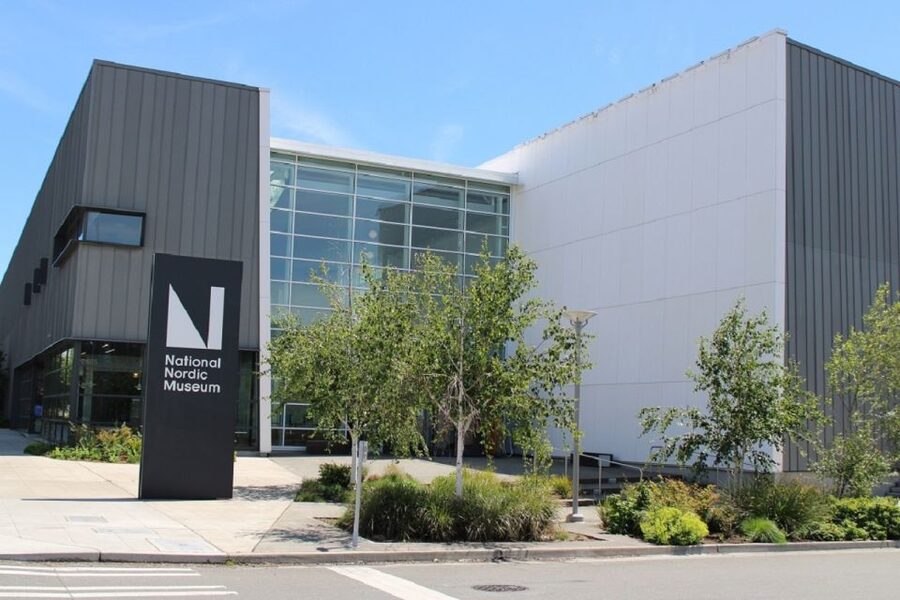
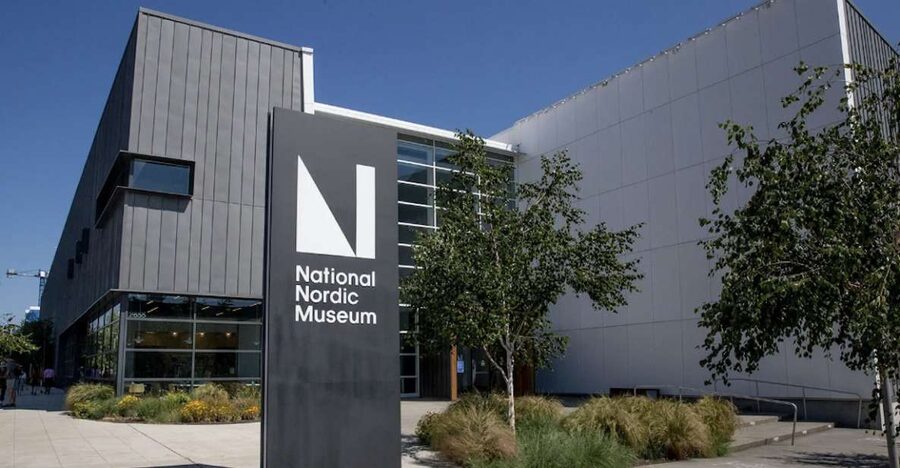
The National Nordic Museum sits in Seattle’s Ballard neighborhood, and that matters more than you might think. Ballard already has the laid-back feel of a place where people linger over coffee and walk to dinner. So instead of treating the museum as a one-and-done stop, you can turn it into a full neighborhood day.
This is also a good setup for timing. If you prefer quieter galleries, you can pair an early museum start with a slower lunch nearby. If you are traveling with anyone who gets museum fatigue, Ballard gives you easy escape options like a coffee run before you head back in for the later galleries.
And yes, this location is part of the story. The museum’s Nordic emigration thread explains why millions of settlers ended up in North America, including many in the Pacific Northwest. Ballard is one of those places where that history is still visible in the culture around you.
More museums and passes around Seattle
Price and What You Actually Get for One Day
At $20 per person, this ticket is priced like a museum that wants you to spend real time inside. The key value is what is included: general admission covers entry to the permanent exhibition, Nordic Journeys, and the current visiting exhibitions.
You should also like the “one day” format. Your admission is valid for the whole day, and you can leave and return to the galleries with proof of purchase. That is useful if you want lunch at Freya or if you need a break after a heavier section like the Vikings and religion-related artifacts.
The museum is not trying to turn your visit into a timed shuffle. It is set up so you can build your own route. That makes the ticket a better deal if you read carefully, but it is also fine if you are the kind of visitor who spends more time with a few sections and then moves on.
Entering the Museum: Your First Practical Moves
Before you even hit the galleries, take advantage of the front-desk setup. You’ll exchange your voucher for general admission at the front desk. If you have outer layers, there is a complimentary coat check available at Admissions, which helps a lot in Seattle weather.
Plan what you bring. The museum does not allow oversize luggage or large bags, and it also bans weapons or sharp objects. If you show up with a big backpack, you may be stopped or forced to store things elsewhere, which can waste your first 10 minutes.
Once you are inside, remember the rule that keeps the collection protected: no food and drink in the museum galleries. That is a small inconvenience that saves you time later, because you can confidently plan to eat at Freya instead of trying to find a place in the gallery.
Nordic Journeys: 12,000 Years Told Through Shared Values
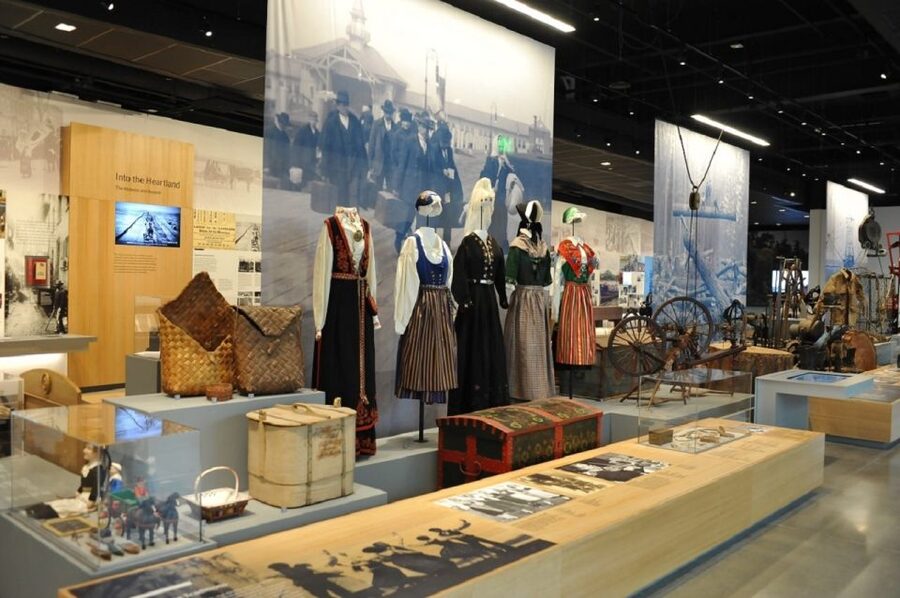
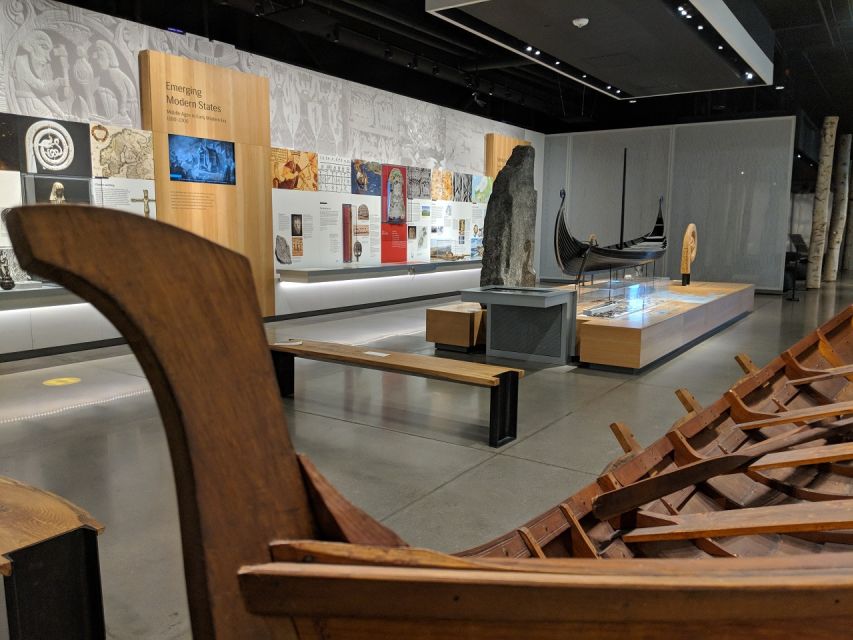
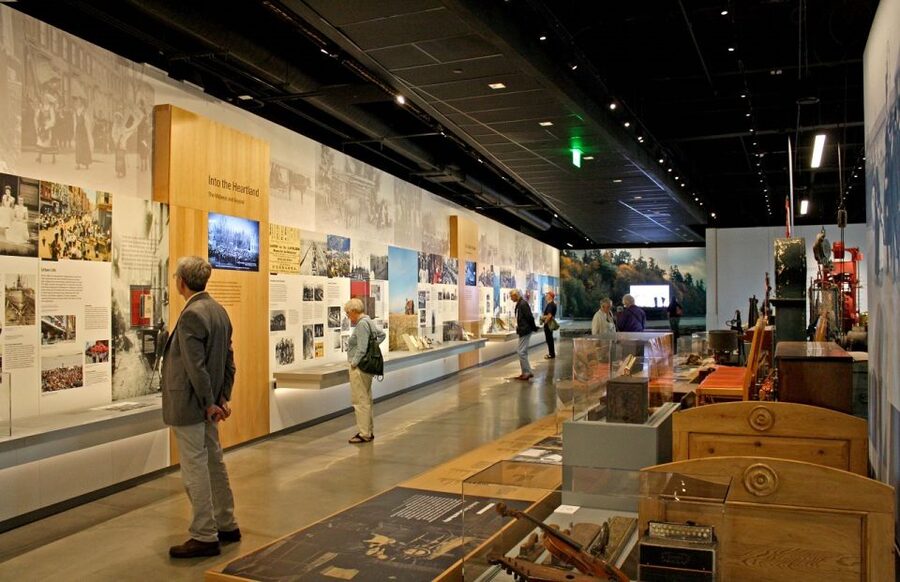
The star attraction is Nordic Journeys, and it is designed as a guided story without feeling like a lecture. You move through history spanning about 12,000 years, and the museum connects time periods by theme: technology, daily life, belief systems, and how culture travels when people emigrate.
What I like about this exhibition is that it is not only geographic. It is values-driven. The museum highlights shared Nordic values such as commitment to social justice, respect for nature, intellectual curiosity, and openness to new ideas. Those themes keep showing up as you move from ancient tools to later cultural changes.
Another smart choice is the exhibition’s scope. It covers the five Nordic countries, but it also includes the autonomous territories of Faroe Islands, Greenland, and Åland Islands. It also includes the cultural region of Sápmi, home of the indigenous Sámi people. That helps you understand Nordic history as a broader regional story, not a neat five-box map.
Artifact Highlights You Can Actually Picture: Tools, Vikings, and Beliefs
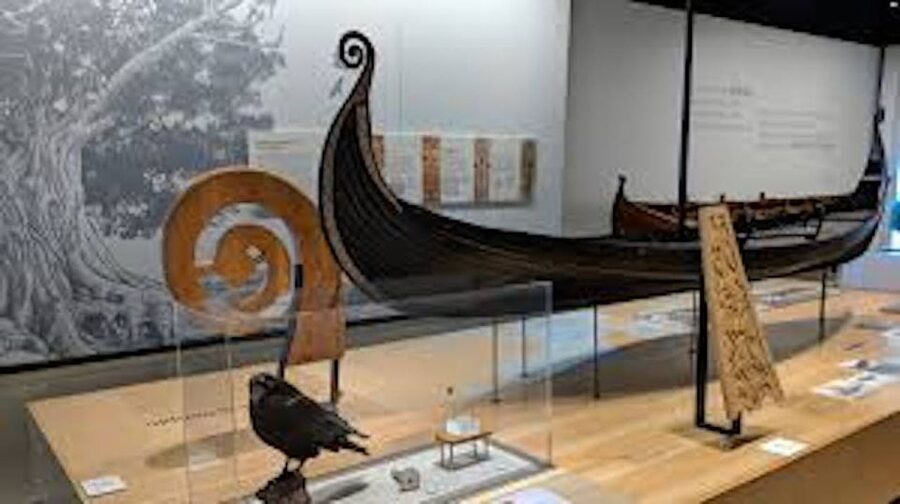
This museum gives you objects you can visualize, not just captions. The description includes utilitarian stone axes and tools that are more than four thousand years old. Even if you do not love archaeology, you will likely find yourself thinking about how practical those tools were, and what kind of life required them.
You also get Viking-era content, including the rich contents of a Viking grave. That kind of exhibit has a pull because you can see how people lived, what they valued, and how status or belief might show up in what was buried.
The museum also includes rare religious objects from the Christianization of the Nordic region. That is important context for understanding why cultural change happened, not just where it happened. You get a chance to compare earlier beliefs and later shifts in a way that feels grounded in real objects.
For everyday life, the exhibition includes traditional objects used at home and at work. That is one of the best ways to make history feel human. It turns “past” into habits, tools, and routines.
Nordic Emigration to Seattle: Why Ballard Makes Sense Here
One of the most compelling parts of the experience is the emigration thread. The museum explains that Nordic emigration brought millions of settlers to North America. Many of them found a new home in the Pacific Northwest, including the Ballard area where the museum is located today.
This section is where the museum becomes more than a regional history display. It gives you a reason to connect what you see on the walls with what you experience walking around Seattle.
You should take your time here, even if you think you know the general story of immigration. The exhibit frames migration as a process shaped by values, adaptation, and new opportunities. That makes the Nordic influence feel less like a decorative “theme” and more like a real cultural force.
If you are visiting Seattle for the first time, this is also a fast way to understand why Ballard has a distinct identity compared with some other neighborhoods.
Other Seattle tickets you can hold on your phone
- Seattle: Space Needle & Chihuly Garden and Glass Ticket★ 4.7 · 1,890 reviews
- Skip the Line: Daily Admission at Woodland Park Zoo Ticket★ 4.5 · 136 reviews
- Chihuly Garden and Glass in Seattle Ticket★ 5.0 · 133 reviews
Modern Nordic Design and the 20th Century Story
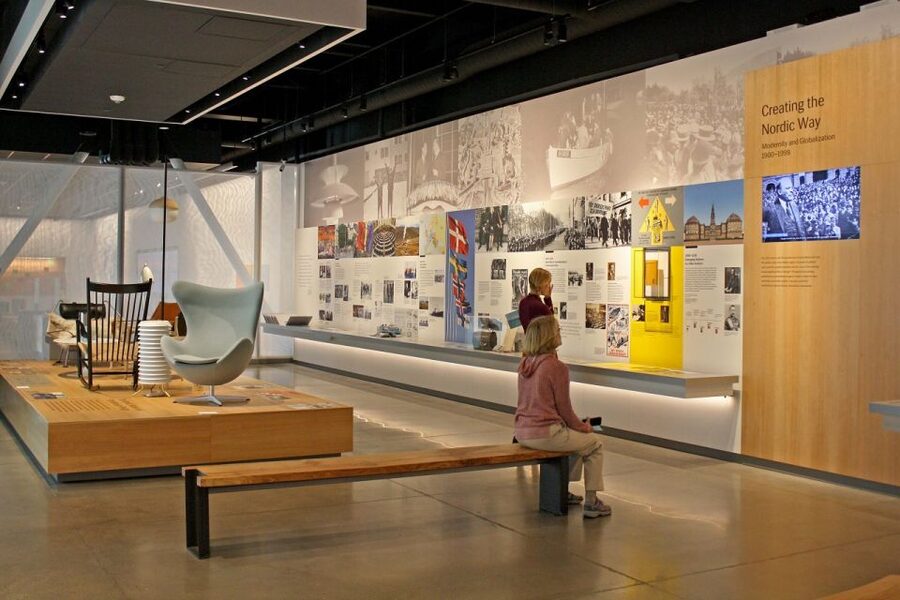
The museum does not stop with the past. It includes iconic examples of 20th-century modern design. That matters for two reasons.
First, it gives you a satisfying bridge from history to the present. You can leave feeling like Nordic influence is still visible today in everyday aesthetics and craft.
Second, it helps you compare values across eras. When you see modern design placed near older tools and household objects, you can notice continuity: clean function, respect for materials, and a practical approach to form.
If you like design museums or you have a soft spot for how objects are built, you’ll probably spend extra time here. It is the section where even a quick visitor tends to slow down.
Current Visiting Exhibitions: When You Get a Special Show
Your ticket includes current visiting exhibitions, which means your experience can vary depending on what is on at the time you visit. One visiting show that people have highlighted is Jonsi, described as an immersive dark-room experience with the sounds of waves and even smells of the sea.
I would treat that as an example of the kind of experience the museum sometimes brings in, not a guarantee that it will be there on your date. Still, the detail is useful for planning. If you are sensitive to sensory experiences like strong sound or scent, be ready for that possibility when a special installation is on.
This is also where you should expect a more “experience-based” approach compared with object-only galleries. It can be a great reward after you have read a lot of labels.
Rules That Shape Your Day: Food, Photos, and What to Bring
A few museum rules will directly affect how comfortable your day feels.
Food and drink: You cannot eat or drink inside the galleries. You can eat at the onsite café, Freya, so plan to use it as your reset button. That also keeps the exhibit spaces cleaner, which is good for everyone, including the collection.
Photography: Personal, non-commercial photography is allowed. Flash is not allowed, and tripods or other large photography equipment are not permitted. If you want steady shots, keep it handheld and keep your gear simple.
What not to bring: Oversize luggage and large bags are not allowed. The museum also notes no firearms or other weapons. There is a coat check, which is a solid help if you arrive with a heavy jacket.
If you are traveling with kids, the loud-noise reality is worth acknowledging. One visitor noted unruly loud children during their visit. You cannot control that, but you can reduce the impact by aiming for earlier hours or planning short breaks in the café area.
Build Your Own Self-Paced Route (Without Overthinking It)
Because this is self-paced, the main risk is spending too long in one place and then feeling rushed later. I suggest a simple rhythm: plan for one “big story” block, one “object attention” block, and one “special exhibits” block.
Start with Nordic Journeys. It sets the context for almost everything else. Then move into the permanent exhibition sections that cover artifacts, Viking and religious objects, and traditional daily-life items. After that, give yourself time for the 20th-century design and whatever current visiting exhibition is on the schedule.
If you can, give yourself enough time to leave and return. That helps you avoid turning the whole day into a nonstop “in and out” event. The one-day ticket is designed for that kind of flow.
And if you end up skipping a section you expected to see, do not feel guilty. The best part is choosing what resonates with you: archaeology details, emigration stories, Sámi and Sápmi cultural context, design, or the special show.
Who Should Book This Ticket, and Who Might Skip It
This is a great fit if you care about culture through objects, not just through text. You’ll likely love it if you enjoy art and design, like museums that connect history to modern life, or want a clearer understanding of how Nordic communities influenced the Seattle region.
It is also a strong choice for people who want a calm day with variety. You can focus on the oldest artifacts, then shift toward design, then finish with the visiting exhibition. The range is wide, so most visitors find at least one section that clicks.
If you hate any sensory-style installations, pay attention to the visiting exhibitions section before you go. The example of Jonsi includes sound and scent, so your comfort level matters.
And if you are traveling with a group that needs constant motion, note that this is more of a wandering museum experience than a fast “see everything” checklist.
Should You Book This Seattle Nordic Museum Ticket?
Book it if you want a day in Seattle that teaches you something real, with objects and stories that connect directly to Ballard and the Pacific Northwest. At $20, the value is strong because your ticket covers Nordic Journeys, the permanent collection, and whatever current visiting exhibits are running, plus you can re-enter the galleries the same day.
Skip it only if you know you will not enjoy self-paced museum time, or if sensory exhibits would be a problem for your group. Otherwise, this is one of those Seattle stops that is easy to turn into a genuine neighborhood day, not just a museum visit.
FAQ
What is included in the National Nordic Museum entry ticket?
Your general admission includes entry to the permanent exhibition, the Nordic Journeys exhibition, and the current visiting exhibitions.
How long is the ticket valid?
The admission fee is valid for one day. You can leave and return to the galleries with proof of purchase.
Where do I exchange my voucher for admission?
You exchange your voucher for general admission at the front desk.
Are food and drinks allowed in the museum galleries?
Food and drink are not permitted in the museum galleries. You can eat at the onsite café, Freya.
Is photography allowed?
Personal, non-commercial photography is allowed as long as you do not use flash. Tripods and other large equipment are not allowed.
Is the museum wheelchair accessible?
Yes, the museum is wheelchair accessible.
More Seattle Tickets


More Tour Reviews in Seattle




More Museums and Passes

Newest on the Seattle desk
- Seattle: Twilight Tour and Olympic National Park
★ 5.0 · 3 reviews - Where the Hops Grow! Yakima Brewery Tour
★ 5.0 · 3 reviews - Forks Town, Twilight Movie, Olympic Small Group 1 Day Tour
★ 5.0 · 3 reviews - Tacoma & Gig Harbor Hotel Transportation To/From Seattle Airport
★ 5.0 · 3 reviews - Awesome Scavenger Hunt: Seattle By The Sound
★ 3.5 · 3 reviews
Seattle Museums & Attraction Tickets, side by side.
 ★ 4.6Seattle CityPASS®: Save up to 46% at 5 Top AttractionsFrom $129742 reviews
 ★ 5.0The Museum of Flight Entrance TicketFrom $29477 reviews
 ★ 4.8Chihuly Garden and Glass Entry TicketFrom $45374 reviews
 ★ 3.0Sky View Observatory at the Columbia Center Admission TicketsFrom $28189 reviews
 ★ 4.5Skip the Line: Daily Admission at Woodland Park Zoo TicketFrom $23136 reviews
 ★ 4.0Smith Tower Observatory Admission TicketFrom $22119 reviews
 ★ 4.8Seattle Art Museum Admission TicketFrom $2967 reviews
 ★ 4.6The Museum of Flight Entry TicketFrom $2924 reviews
Seattle pages with this tour