
REVIEW · SEATTLE MUSEUMS & ATTRACTION TICKETS
Pacific Science Center General Exhibit Admission
A science day in Seattle feels effortless. Prebooking gets you in, and once you’re inside you can bounce between hands-on exhibits built for real curiosity. I especially like the way the ticket covers multiple signature areas in one visit, from the Tropical Butterfly House to the makerspace-style activities.
The second thing I really like is the mix of living exhibits and build-and-test fun, not just look-and-read panels. The Salt Water Tide Pool offers a tactile, close-up feel, and places like Tinker Tank make it harder to get bored. The main drawback to plan around is that the experience skews kid-first, so if you’re an adult solo traveler expecting a more museum-like, up-to-date vibe, you may find the general exhibits less satisfying than you hoped.
Budget wise, it’s not a low-cost attraction at $33.75 per person, but it can still be good value if you use the time well. Expect about 2 to 3 hours for general exhibits, and if you add big-ticket add-ons like IMAX or special shows, the total day cost rises fast.
Key highlights you’ll actually care about
- Guaranteed entry when you prebook, so you’re not gambling with your schedule.
- Butterflies + tide pool bring living exhibits into a family-friendly indoor loop.
- Tinker Tank makerspace style activities help kids learn by doing.
- Robotic dinosaurs turn prehistoric themes into something you can walk through.
- IMAX, planetarium, and laser show are optional extras you can choose based on energy and budget.
What Your General Admission Ticket Really Covers
This is straightforward admission to the Pacific Science Center’s general exhibits. You’re paying for access to the main indoor areas and rotating daily fun that fits in the center’s core mission: hands-on science and interactive learning for kids and families.
The ticket includes local taxes and gives you a mobile ticket. That matters because you can show up, scan, and spend your energy on the exhibits instead of figuring out paperwork. Also, the attraction explicitly plans for good weather, and that’s usually code for your trip works best when you can move around comfortably if you’re getting there by transit or on foot.
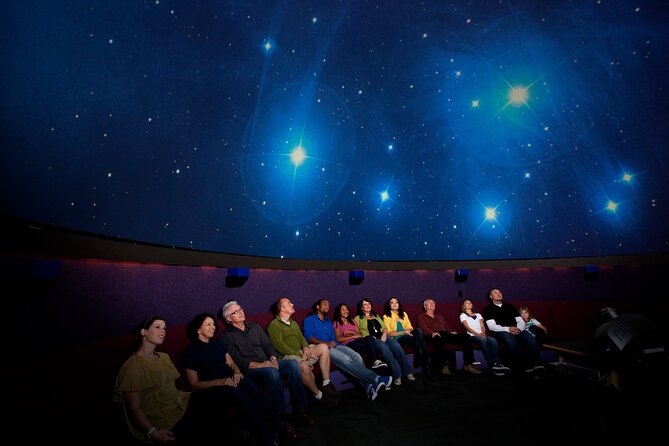
A smart expectation to set: your ticket is not the full entertainment package. The big visual add-ons are separate, including IMAX (additional cost) and shows like the daytime laser show and planetarium (book during your visit when available).
More museums and passes around Seattle
Price and Value at $33.75: How to Judge It Fairly
At $33.75 per person, this is not a “cheap rainy-day backup” ticket. It’s a paid attraction, so you’ll want to make the visit count.
Here’s how I’d judge value:
- If you have kids under about 10 to 12, you’re likely to use a lot of the space and activities, which makes the price feel more reasonable.
- If you’re mainly adult-focused and want frequent special screenings or state-of-the-art museum displays, the general admission may feel thin unless you add shows.
Your best value strategy is simple. Plan for 2 to 3 hours for the core exhibits. If you want IMAX, decide ahead of time whether you really care about that specific documentary format, because it’s an extra ticket purchased at the booth.
When to Go: Hours That Affect Your Whole Day
This is one of those places where timing changes the experience. The standard hours listed are 10:00 AM to 5:00 PM, Wednesday through Sunday, with the last admission at 4:00 PM. During school holidays and breaks, the center can be open Monday through Sunday, but hours can shift, so it’s worth checking their website before you commit.
If you’re trying to avoid crowds, going earlier in the day often helps. Since your general visit is typically a couple hours, think of it like a timed science stop, not a full-day commitment unless you purposely add extra shows.
Getting There: Public Transit Friendly, Parking Can Be Painful
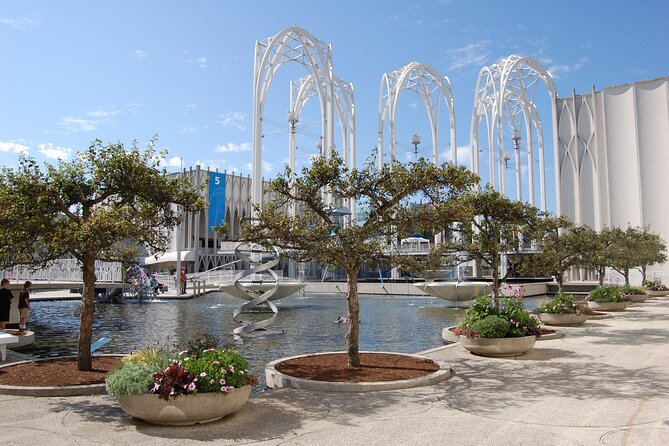
Pacific Science Center is near public transportation, which is a win in Seattle. If you’re staying anywhere around downtown, this reduces the stress of driving and finding a structure that fits your day.
Parking, though, is a known friction point. The most consistent complaint is that the parking structure can be pricey and tight. If you’re bringing a car, I’d treat this like a “plan ahead” situation, not something to solve casually once you arrive.
Tropical Butterfly House: A Relaxed Start That Works for Many Ages
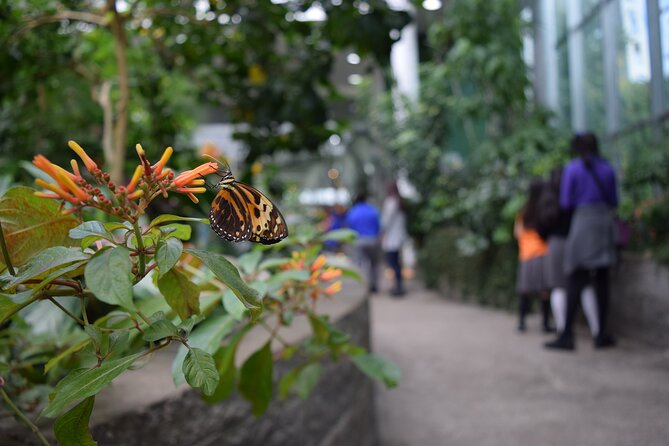
The Tropical Butterfly House is one of the signature reasons families choose this place. You’re walking into a lush garden setting where you can see hundreds of free-flying butterflies.
Why this works so well:
- It’s a calmer activity than the hands-on engineering zones, so kids can reset.
- It offers a different kind of science learning, observation of living creatures and their movement in a controlled indoor environment.
- Even if your child bounces off interactive exhibits, butterflies are usually a reliable attention grabber.
If butterflies are the main draw, plan to start here so you’re not rushing. It’s also the kind of stop where you’ll want slow moments to actually watch behavior rather than just pass through.
Salt Water Tide Pool: Close-Up Learning You Can Feel
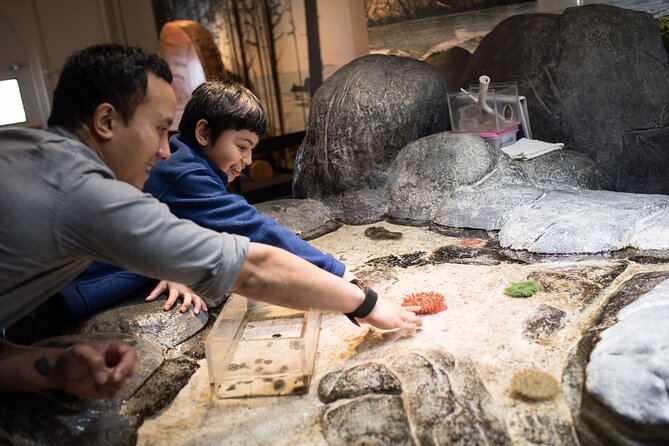
Next up, the Salt Water Tide Pool focuses on Puget Sound water life. You get to interact with animals from that ecosystem, learn about their habitat, feel unique textures, and understand how they co-exist in the ecosystem.
This is one of the more memorable areas because it’s not only visual. It brings in tactile learning, and that can help kids connect the idea of marine habitats to real physical experiences.
Practical tip: keep a little buffer time here. If multiple families are drawn to the tide pool at once, you’ll want enough time to wait without feeling like the rest of the day is slipping away.
- Beneath The Streets Underground History Tour★ 4.5 · 8,006 reviews
- Chef Guided Food Tour of Pike Place Market★ 5.0 · 3,733 reviews
- Mt. Rainier National Park Highlights Tour★ 5.0 · 3,156 reviews
Tinker Tank Makerspace: Engineering Through Play

The Tinker Tank is where the science center leans into build-and-test learning. It’s described as a makerspace with hands-on engineering and design challenges.
This area is valuable because it rewards effort, not just answers. Kids can experiment, try different approaches, and learn through trial. Adults tend to like it too, especially if you enjoy seeing how play turns into problem-solving.
If you’re visiting with kids at very different ages, Tinker Tank can be a good equalizer. Younger kids often enjoy the immediate interaction, while older kids can get more out of the design challenge aspect. Either way, it’s the kind of zone where your kids might actually ask to stay a little longer.
Robotic Dinosaurs: Prehistoric Fun With a Learning Hook
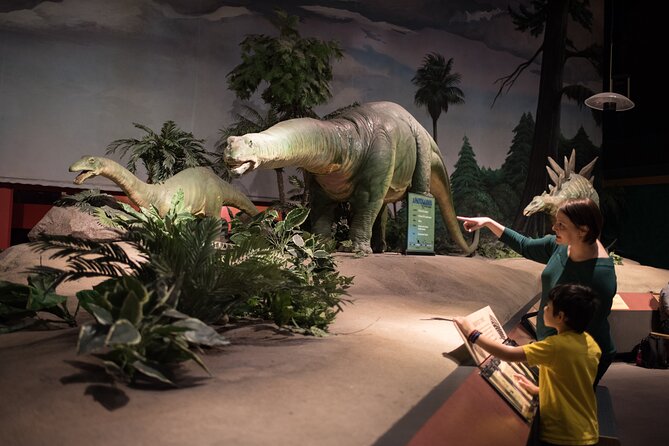
The prehistoric section centers on roaring robotic dinosaurs. You learn about habitats and behaviors as you move through the environment.
This one is hit-or-miss depending on what your child expects from dinosaurs. If they’re young and love motion and big characters, robotic dinosaurs can be pure joy. If your expectations lean toward deep, museum-grade paleontology, you may wish there were more “show me the details” moments included in general admission.
Still, as a theme anchor, it’s effective. It gives kids something concrete to focus on while they learn basic concepts about how animals live and behave.
Live Science Experiments and the Hands-On Learning Loop
The center also includes live science experiments, where you watch experiments and learn in real time. This is a strong ingredient because it adds timing and energy to the visit, not just static exhibits.
A smart way to use this: keep your schedule flexible. Don’t lock yourself into one slow exhibit for too long, because the live moments can be a highlight.
Also, if you hate rushing, treat your 2 to 3 hour visit as a loose target. Being off by 30 to 45 minutes usually doesn’t ruin the day, and it can save you from the stress of trying to “catch everything.”
Planetarium, Laser Show, and IMAX: Choose Based on Your Budget and Eyes
General admission does not automatically include the big-screen and show experiences. The planetarium and the daytime laser show can be booked during your visit when available, and IMAX tickets can be purchased at the ticket booth for an additional fee.
Here’s how to decide without overspending:
- If you’re the kind of group that loves one special show, add one item and keep the rest core.
- If you’re easily overwhelmed by bright effects or intense visuals, be cautious with shows like lasers. There are indications that the laser show experience can be tough on some visitors’ eyes.
IMAX is a separate purchase, but it’s still worth considering if the documentary format is genuinely your thing. One reason people like IMAX is that it changes the pace of the day, giving you a break from walking and interacting.
Booking Strategy: Prebooking Helps You Use Time Better
This admission is described as something people typically book about 6 days in advance on average. The real value in prebooking is simple: guarantee entry. That matters with Seattle schedules, where weather shifts and daily plans can change quickly.
If you’re traveling during busier weeks, I’d book ahead. If you’re flexible and traveling in a slower period, you might still benefit from prebooking to avoid last-minute “sold out” frustration.
The mobile ticket also helps. You don’t want to waste your visit time hunting down printouts.
Who This General Admission Fits Best (And Who Might Skip)
This ticket works best for:
- Families with kids, especially children under about 10 to 12.
- Parents who want hands-on learning and multiple types of activities in one indoor stop.
- Groups that want a science mix, butterflies plus tide pool plus design challenges.
Where it may disappoint:
- Older kids who have already done lots of science centers and expect frequent new, high-tech installations.
- Adults visiting solo who want a more museum-like experience rather than a kid-focused interactive layout.
- Anyone sensitive to bright or intense show environments, since the laser show is specifically mentioned as an issue for some visitors.
Also, a practical reality check: if you go in expecting a polished, modern museum feel all the way through, you might notice the exhibits can feel dated and some are not maintained at the newest level. That doesn’t cancel the fun, but it does change the comparison game.
A Solid 2 to 3 Hour Game Plan
If you want to leave feeling like you got your money’s worth, here’s a simple flow that matches how the center is built:
- Start with Tropical Butterfly House while energy is high.
- Move into the Salt Water Tide Pool for tactile, close-up learning.
- Hit Tinker Tank for the hands-on design element.
- Finish with the robotic dinosaur area and then catch live experiments if the timing works.
If you’re adding a planetarium or laser show, shift the plan toward those experiences earlier in your window. Since the last admission is listed as 4:00 PM on Wed through Sun, you’ll want your show timing to keep you from cutting it too close.
Should You Book Pacific Science Center General Exhibit Admission?
Book it if you want an easy, family-friendly science stop in Seattle where you can do a lot in 2 to 3 hours. I think it’s especially worth it when your group includes kids who enjoy living creatures, tactile learning, and interactive build activities like Tinker Tank.
Consider skipping, or at least lowering expectations, if you’re an adult solo traveler craving a more museum-like adult science experience, or if you’re the kind of person who hates bright shows like laser programming. In those cases, you might still have fun, but the general admission alone may feel like you’re paying for a kid-first layout.
My best advice: treat this as a hands-on family experience with optional add-ons. If you add only one show or one big-ticket upgrade, the day stays fun and the value stays under control.
FAQ
What is the price for Pacific Science Center General Exhibit Admission?
The price is $33.75 per person.
How long does the general admission experience take?
Plan for about 2 to 3 hours for the general exhibits.
Are IMAX tickets included with general admission?
No. IMAX tickets are not included and can be purchased at the ticket booth for an additional fee.
Are the planetarium and daytime laser show included?
No. Daytime laser show and planetarium tickets are not included. They can be booked during your visit, availability varies.
What is included in the ticket price?
The ticket includes local taxes.
How do I receive my tickets?
This experience uses a mobile ticket.
What are the opening hours?
Wednesday through Sunday the center is open 10:00 AM to 5:00 PM, with last admission at 4:00 PM. Hours may vary, so check the website for any changes. During school holidays and breaks, it can be open Monday through Sunday.
Is there an age requirement?
Yes. Youth age 12 and under must be accompanied by a responsible adult or legal guardian throughout the visit.
Can I bring a service animal?
Service animals are allowed.
What if the experience is canceled?
This experience requires good weather. If it’s canceled due to poor weather, you’ll be offered a different date or a full refund.
More Tour Reviews in Seattle




More Museums and Passes


Newest on the Seattle desk
- Seattle: Twilight Tour and Olympic National Park
★ 5.0 · 3 reviews - Where the Hops Grow! Yakima Brewery Tour
★ 5.0 · 3 reviews - Forks Town, Twilight Movie, Olympic Small Group 1 Day Tour
★ 5.0 · 3 reviews - Tacoma & Gig Harbor Hotel Transportation To/From Seattle Airport
★ 5.0 · 3 reviews - Awesome Scavenger Hunt: Seattle By The Sound
★ 3.5 · 3 reviews
Seattle Museums & Attraction Tickets, side by side.
 ★ 4.6Seattle CityPASS®: Save up to 46% at 5 Top AttractionsFrom $129742 reviews
 ★ 5.0The Museum of Flight Entrance TicketFrom $29477 reviews
 ★ 4.8Chihuly Garden and Glass Entry TicketFrom $45374 reviews
 ★ 3.0Sky View Observatory at the Columbia Center Admission TicketsFrom $28189 reviews
 ★ 4.5Skip the Line: Daily Admission at Woodland Park Zoo TicketFrom $23136 reviews
 ★ 4.0Smith Tower Observatory Admission TicketFrom $22119 reviews
 ★ 4.8Seattle Art Museum Admission TicketFrom $2967 reviews
 ★ 4.6The Museum of Flight Entry TicketFrom $2924 reviews
Seattle pages with this tour