
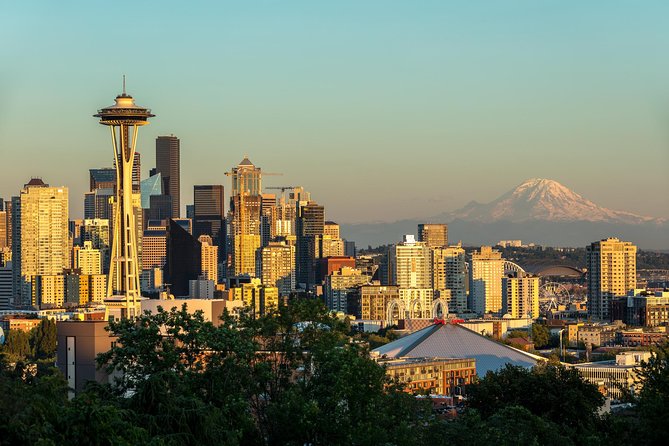
Elliott Bay, then the mountain.
Pike Place before the crowds, an hour out on Elliott Bay, the early drive to Rainier: what each one is really like, what it costs, and where to book it.
Start where the city shows off.
The sealed streets under Pioneer Square, a chef walking you through Pike Place at eight in the morning, the ferry wake and the skyline behind it. This is what a first Seattle trip gets built on.
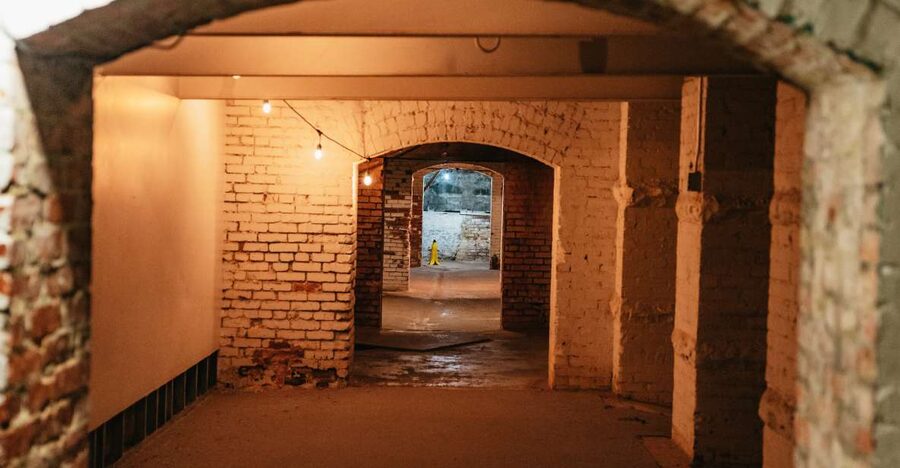
Guided Underground Walking Tour
Walk beneath Pioneer Square on a 1-hour guided tour of 1890s passageways, the Seattle Fire, and why streets were raised.
From $31 per person
Read the review → ★ 4.7Sells out earlySpace Needle & Chihuly Garden and Glass TicketFrom $671,890 reviews
 ★ 5.0Local favouriteTaste Pike Place Walking Food TourFrom $62930 reviews
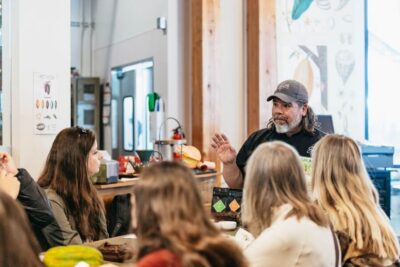 ★ 4.8Easy first dayPike Place Market Chef-Guided Food TourFrom $70847 reviews
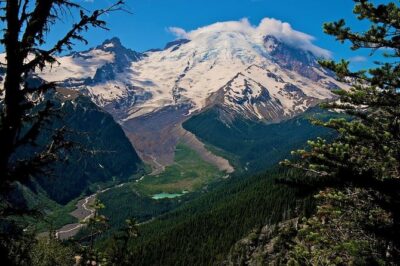 ★ 5.0Worth the fareBest of Mount Rainier National Park from Seattle: All-Inclusive Small-Group TourFrom $344805 reviews
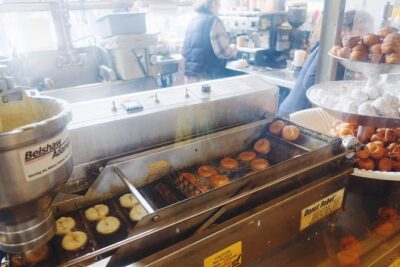 ★ 5.0Rain or shineSeattle Delicious Donut Adventure & Walking Food TourFrom $65772 reviews
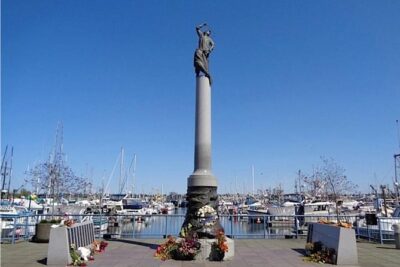 ★ 4.5Small groups3 Hour Show Me Seattle Best Of The City TourFrom $80763 reviews
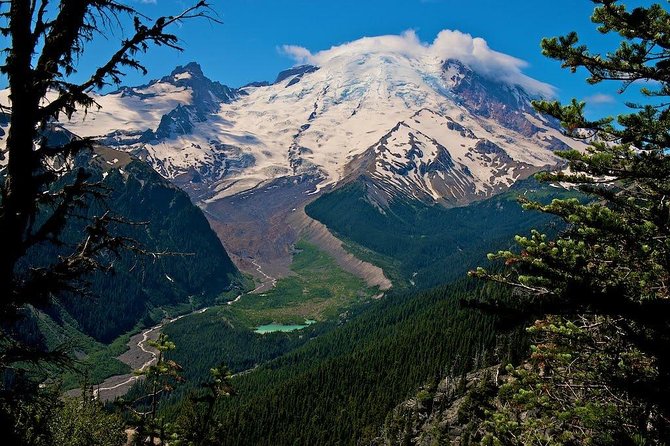
Everything stops when Rainier is out.
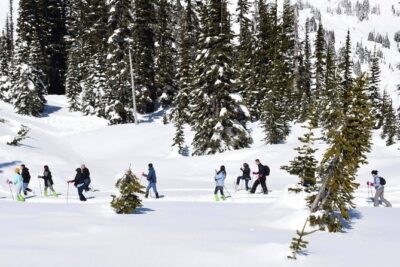
Leave downtown before seven and you are at Paradise by mid-morning, wildflower meadows on one side and a glacier on the other. Coaches run all summer, snowshoe trips take the winter, and either way you are back in the city for dinner.
Harbour, sunset or Victoria?
Nobody leaves Seattle without getting out on the Sound; the only question is which boat. Three ways to do it, each with the length, the fare and what you actually see from the deck.
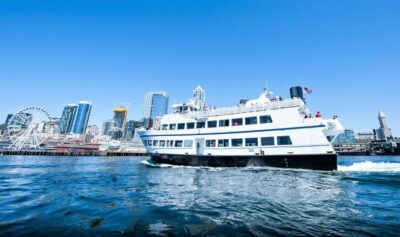 One hour, no fuss
The harbour run
1 hour · from $45 · 599 reviews
Out past the container cranes and the fireboats, through the Ballard Locks when the route takes them, close enough to a Bainbridge ferry to feel the wake. Narrated, hourly for most of the day, and short enough to keep a dinner booking afterwards.
See the harbour cruises →
One hour, no fuss
The harbour run
1 hour · from $45 · 599 reviews
Out past the container cranes and the fireboats, through the Ballard Locks when the route takes them, close enough to a Bainbridge ferry to feel the wake. Narrated, hourly for most of the day, and short enough to keep a dinner booking afterwards.
See the harbour cruises →
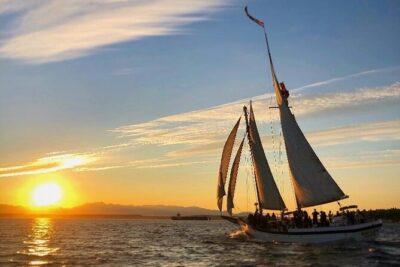 Golden hour
The sunset sail
2 hours (approx.) · from $59 · 593 reviews
Canvas up, engine off, the Olympics going pink across the water while the skyline switches on behind you. Two hours is standard, several boats are bring-your-own, and the crew will hand you a line if you want one. Take the late slot from June to September.
See the sunset sails →
Golden hour
The sunset sail
2 hours (approx.) · from $59 · 593 reviews
Canvas up, engine off, the Olympics going pink across the water while the skyline switches on behind you. Two hours is standard, several boats are bring-your-own, and the crew will hand you a line if you want one. Take the late slot from June to September.
See the sunset sails →
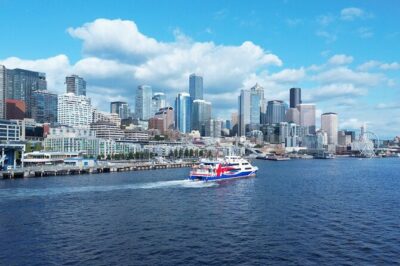 Passport day
The Victoria run
3 hours (approx.) · from $192 · 479 reviews
The fast ferry clears Elliott Bay and puts you in British Columbia before lunch: inner harbour, the gardens, tea if you booked it, home the same evening. Bring the passport, take the early crossing, and treat the return time as fixed.
See the Victoria crossings →
Passport day
The Victoria run
3 hours (approx.) · from $192 · 479 reviews
The fast ferry clears Elliott Bay and puts you in British Columbia before lunch: inner harbour, the gardens, tea if you booked it, home the same evening. Bring the passport, take the early crossing, and treat the return time as fixed.
See the Victoria crossings →
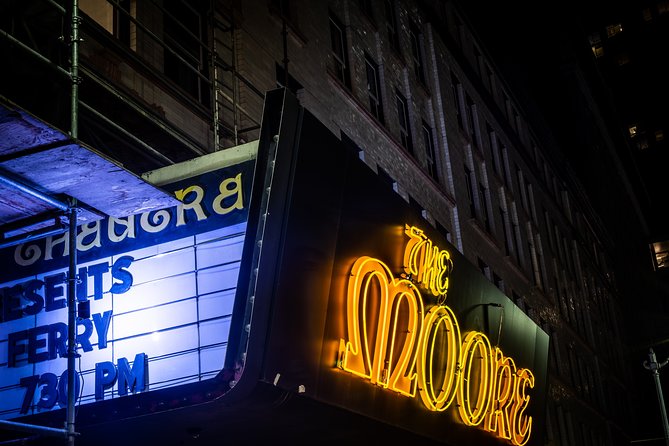
The city gets stranger after six.
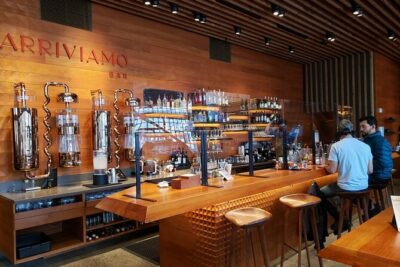
Pioneer Square keeps its ghost stories on the ground floor and its secrets one level down. Post Alley fills with string lights and questionable chewing gum. Capitol Hill mixes drinks in a room that calls itself a laboratory.
The Market is best before nine.
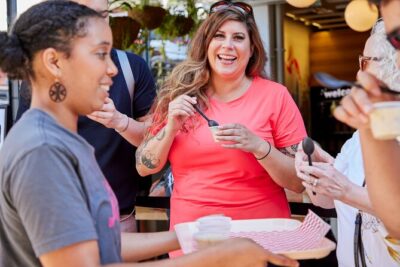
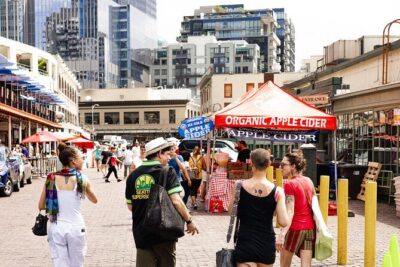
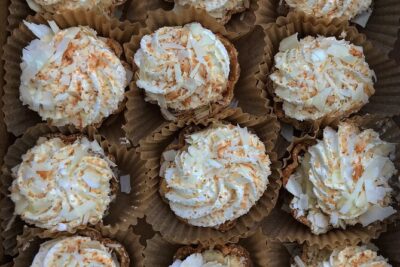
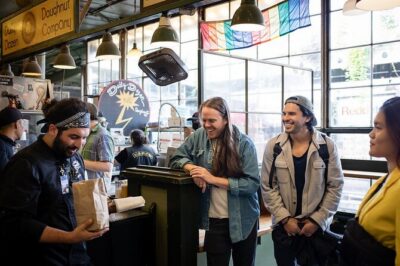
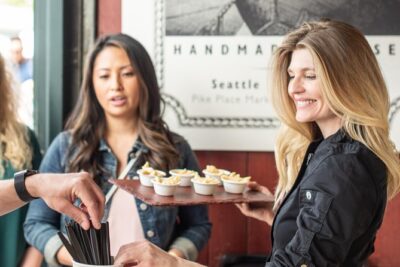
Fishmongers throwing salmon is the show. The good part is the doughnut counter behind them, the piroshky window, the cheese being pulled through the glass while you wait. Three hours with somebody who knows which queue is worth it.
Seattle takes coffee personally.
Not the mermaid on the corner. The Capitol Hill roasteries, the cupping tables, the baristas who will explain the grind whether you asked or not. Small groups, a great deal of caffeine, roughly three hours on foot.
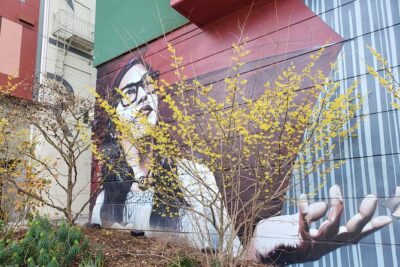
Old Seattle is under the new one.
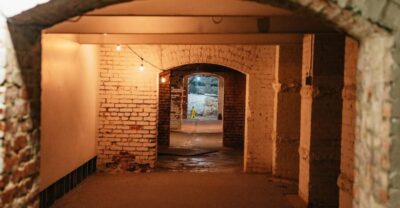
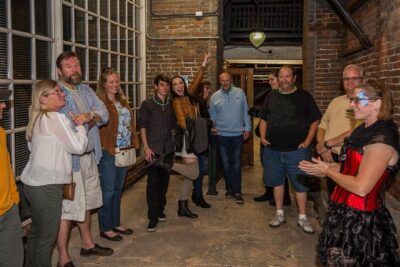
The fire of 1889 took the whole waterfront, so the city rebuilt a storey higher and sealed the original shopfronts beneath the pavement. Guides unlock the doors, switch the lights on and tell you what went on down there. Pioneer Square above, the first streets below.
The city splits into a few good days.
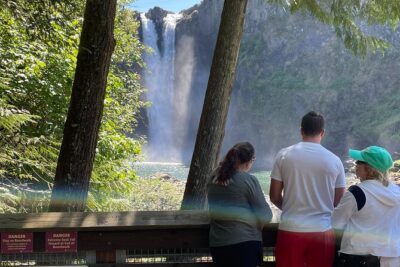
Pike Place for breakfast. Elliott Bay for the skyline. Rainier for the photograph everyone wants. Snoqualmie when the falls are loud and the drive is short.
What kind of Seattle day is it?
Boots and a waterfall, a deck chair on the Sound, a tasting spoon in a market stall, or a ticket that simply gets you to the top of something tall. Everything behind these twelve is priced and written up.

An hour out, the state gets serious.
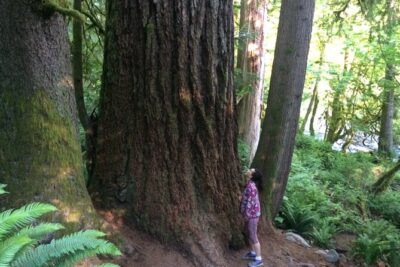
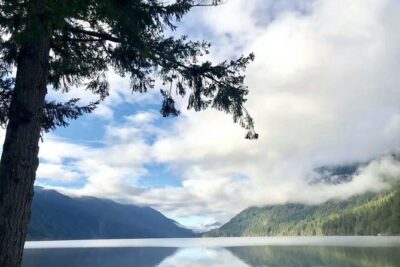
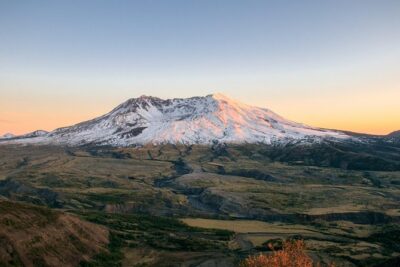
I-90 is into the Cascades in forty minutes. The ferry crosses to rainforest on the peninsula. Rainier stands over the lot of it, and for three weeks every April the valley north of the city turns pink with tulips.
A weekend that actually works.
You will not see all of Washington in three days. You can see the version of Seattle people come back for. Market, water, mountain, in that order.
 Day 1
Market, then the waterfront
Be at Pike Place by eight while the stalls are still going up, eat your way down the arcade, then walk the rebuilt waterfront to the wheel and the aquarium. Short distances, no car, jet lag survivable.
Plan day one →
Day 2
On the water, then under the street
A morning boat off Pier 55 for the skyline and the locks, lunch in Ballard, the sealed streets beneath Pioneer Square in the afternoon. Finish with whatever Capitol Hill is pouring.
Plan day two →
Day 3
The mountain, if it is out
Early pickup, two hours south, wildflowers or snowshoes depending on the month. Watch the forecast and move this day to whichever one comes back clear.
Plan day three →
Day 1
Market, then the waterfront
Be at Pike Place by eight while the stalls are still going up, eat your way down the arcade, then walk the rebuilt waterfront to the wheel and the aquarium. Short distances, no car, jet lag survivable.
Plan day one →
Day 2
On the water, then under the street
A morning boat off Pier 55 for the skyline and the locks, lunch in Ballard, the sealed streets beneath Pioneer Square in the afternoon. Finish with whatever Capitol Hill is pouring.
Plan day two →
Day 3
The mountain, if it is out
Early pickup, two hours south, wildflowers or snowshoes depending on the month. Watch the forecast and move this day to whichever one comes back clear.
Plan day three →
Seattle keeps adding to itself.
 ★ 5.0Where the Hops Grow! Yakima Brewery TourFrom $453 reviews
 ★ 3.5Awesome Scavenger Hunt: Seattle By The SoundFrom $143 reviews
 ★ 5.0Tacoma & Gig Harbor Hotel Transportation To/From Seattle AirportFrom $1073 reviews
 ★ 5.0Forks Town, Twilight Movie, Olympic Small Group 1 Day TourFrom $2553 reviews
 ★ 3.5Arrival Private Transfer: Seattle Airport SEA to Seattle in Luxury SUVFrom $1303 reviews
 ★ 5.0Native Culture – Suquamish and Chief SeattleFrom $2963 reviews
 ★ 4.5Kooza by Cirque du Soleil: Under the Big Top in Seattle, WAFrom $8503 reviews