REVIEW · HISTORIC SEATTLE WALKING TOURS
Seattle Downtown Quest: Self-Guided History Adventure
Downtown Seattle turns into a game board if you let it. This self-guided history adventure mixes walking with puzzle prompts and short stories at major landmarks. I especially like the no-map, no-guide format, and I like that the pacing is in your hands, you can pause and resume. My one caution: a few clue spots can be disrupted by construction or temporary changes, so expect to use hints and stay flexible.
You start at Union Station and work your way toward the Waterfront Park, solving 10 interactive challenges along the way. The route is built for 1 hour 30 minutes, but it can run long if you get stuck or if a specific prop or photo clue is not where it should be. If you want your Seattle day planned down to the minute, this is not that kind of activity.
Quick Highlights I’d Actually Use for Planning

- A structured 90-minute walk: 10 puzzle challenges stitched into a downtown history storyline.
- No maps, no GPS, no guide needed: you follow app instructions, not a complicated route plan.
- Major stops, easy sightseeing: Seattle Art Museum, Pioneer Square, Smith Tower, Pike Place Market, plus waterfront-side history.
- Pause and resume: useful if you need a bathroom break or a quick coffee stop mid-quest.
- Budget-friendly entry price: $7.20 per person for a full afternoon distraction with a clear finish line.
- Mobile-first, English content: mobile access code plus English puzzle prompts and story narration.
From Union Station To Waterfront Park: How the Quest Feels in Real Life

This quest is designed as a straight-through downtown stroll. You begin at Union Station (401 S Jackson St) and end at Waterfront Park (1401 Alaskan Wy). That matters because you get an easy mental line from a rail hub to the water, and you do not need to reverse course or backtrack much.
What makes it feel different from a standard “walk and read signs” day is the format. You are not just consuming information, you are hunting for answers in the environment. The app pushes you to look around, then gives you a prompt that feels like a scavenger hunt with a historical backbone.
You will likely spend more time at the stops that contain the best puzzle set-ups, especially the ones tied to recognizable landmarks. If you are the type who rushes through museums, you may feel a little tugging force here. The route rewards slowing down to spot details.
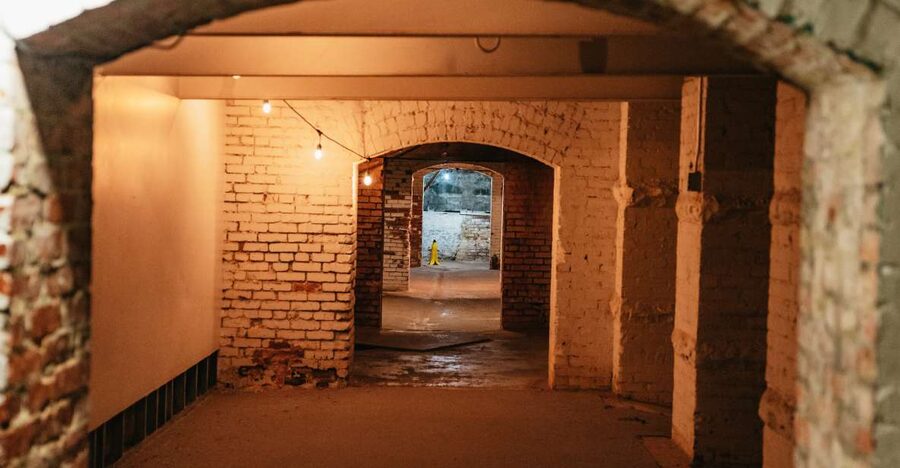
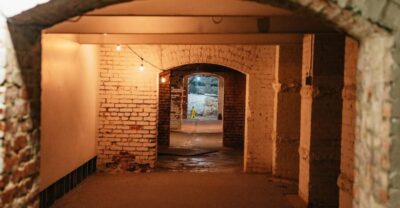
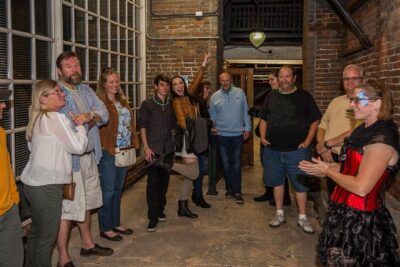
Deeper under Pioneer Square
Price and Value: Why $7.20 Can Work If You Go in Prepared

At $7.20 per person, this is priced like an impulse-friendly add-on to a Seattle itinerary. You get about 1 hour 30 minutes of structured activity, plus story content tied to specific places. For the money, you are really buying two things: a walking route that is already planned, and puzzle prompts that turn the route into an activity instead of a chore.
Still, value depends on smooth app play. A small number of people reported trouble accessing the game at all, or said the app did not guide them to the destinations as expected. You can reduce your odds of disappointment by doing two simple things before you start: make sure your phone has good battery and take a moment to read any post-purchase instructions in the app clearly.
Also, do not plan this as your only activity on a day where you cannot afford delays. If you arrive late, lose signal, or hit a tech snag, you do not want your whole schedule collapsing around a self-guided puzzle.
The No-Guide Format: Your Benefit and Your Responsibility
No physical tour guide is a core feature. That means you are in control of pacing and you do not have to wait for anyone else. It is also why the quest can be good for groups, even families, since everyone can work from the same phone instructions as long as you stay coordinated.
But the trade-off is also real: there is no human on the sidewalk to say, Try this, or That clue is around the corner. If something is missing, blocked, or under construction, you have to handle it through the app support system. The good news is that hints can be available if you need them.
Practical takeaway: treat this like an on-your-terms walking game. If you are comfortable figuring things out, you will probably enjoy it a lot.
Klondike Gold Rush National Historical Park: Totems, Duane Pasco, and Raven’s Moon Story

One of the biggest story anchors is the Klondike Gold Rush National Historical Park area. The quest prompts you to look around to find answers, turning the park into a puzzle set rather than a quick photo stop.
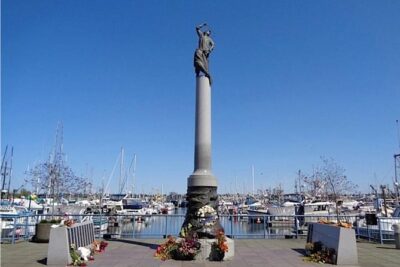
This stop’s standout element is the description of the totem poles and woodcarvings connected to Duane Pasco. The artwork was donated by art gallery owner Richard White and installed in the 1980s. The tallest totem, Sun and Raven, ties to a myth where Raven steals the moon, and it was created for the 1974 Spokane World’s Fair.
You also get details on other figures, including Man Riding on Tail of Whale, carved in 1971. There is also a mythological giantess called Tsonoqua, described as a nightmare bringer used by North Coast mothers to frighten children into obedience.
Why this matters for your experience: totem poles can feel like decoration if you see them only as silhouettes. Here, the app story gives you a narrative map. Once you know the characters and why they were made, you start looking at the shapes with meaning.
One caution: a couple of players reported the waterfront totem pole area being temporarily unavailable due to refurbishment. If you hit that scenario, use the app’s next prompt and keep moving. Do not get stuck at one spot expecting everything to be exactly as described.
Pioneer Square Blocks: Romanesque Revival Buildings and Underground Seattle Clues

From the Gold Rush area you move into the Pioneer Square side of downtown. This neighborhood is a mix of late-1800s Romanesque Revival buildings, art galleries, coffee shops, and trendy bars. The quest’s job here is to connect that architecture to the broader story of Seattle’s roots.
You may notice the app mentions how tourists often explore subterranean streets on the Underground Tour. Even if you do not switch to a separate guided program, that context helps you understand why people talk about “above” and “below” in Seattle.
Pioneer Square’s story beat also points you toward places that are good for quick breaks, like Occidental Square and nearby green space. That is a practical design choice. When you are solving puzzles, you want stops where you can pause, look at surroundings, and then reset your brain before the next challenge.
Potential drawback: if a clue component is affected by construction, you could spend extra minutes searching. The best approach is to keep an eye out for the app’s clue visuals and rely on the app hints when they are offered, rather than fighting one missing element for too long.
Smith Tower: A Tall Landmark That Anchors the Next Answer

The quest includes a stop at Smith Tower, completed in 1914. It is described as the oldest skyscraper in Seattle and a major altitude achievement for its time, at 38 stories and 484 feet.
This is a smart inclusion for a self-guided puzzle. It is visible, unmistakable, and it gives you a fixed reference point when you are walking a downtown route without a traditional map. Even if you are not a skyscraper buff, the app’s details make the building feel like more than a tall object.
What you should expect here: you will be looking for puzzle clues tied to the building area, then answering using information the app provides in the story segment. If you like architecture, this is one of the most satisfying stops because you can look up, then look for the answer prompt nearby.
Other guided days in Seattle
- Chef Guided Food Tour of Pike Place Market★ 5.0 · 3,733 reviews
- Seattle: Pike Place Market Chef-Guided Food Tour★ 4.8 · 847 reviews
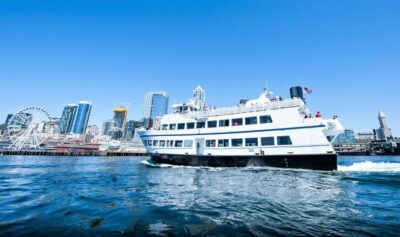
- Seattle: Harbor Cruise with Local Guide★ 4.8 · 599 reviews
Federal Office Building Stop: 1930s Seattle Bureaucracy, in Interesting Form

Next comes the Seattle Federal Office Building, constructed in 1933. It is presented as the first Seattle building specifically designed for federal government offices. The designer of record is James A. Wetmore, from the Department of the Treasury’s Supervising Architect team.
The story includes early tenants, mentioning 52 federal agencies among the first occupants, with the Department of the Treasury being the largest.
Why this stop works: downtown Seattle has plenty of modern-day hustle, but federal buildings add a different angle. You get a sense of how power and administration took shape in the city. For a history-focused puzzle, those details turn a plain-looking structure into a meaningful clue source.
Also, because you are self-guiding, you are free to pause and take in the exterior details at your own pace, instead of being guided past them.
Eyes on You Medical Center: A Strange, Thoughtful Change of Pace

One of the more surprising stops is Eyes on You medical center. The app’s theme here shifts from architecture to health and vision, focusing on how eye care professionals understand how the human eye works and diseases that affect vision.
The quest adds that there is history here you will want to know. Even without extra assumptions, this is an interesting rhythm change. It breaks up the Seattle story from gold rush to towers to art, then nudges you into another kind of “local history” through healthcare.
Practical note: for puzzle apps, the physical clue usually depends on signage or objects in a specific spot. If you cannot see the relevant element right away, keep moving to the next prompt only if the app tells you to. Otherwise, take a moment to compare what the prompt describes with what you actually see.
Seattle Art Museum and the Art Institute Roots: From 1905 to Your Walk
The Seattle Art Museum stop is built around origins tracing back to the Seattle Fine Arts Society and the Washington Arts Association. The story line goes through a timeline that includes the merger in 1917, keeping the Fine Arts Society name. Then it explains that in 1931 the organization renamed itself as the Art Institute of Seattle.
The quest also references the Art Institute housing its collection in Henry House, the former home of Horace C. Henry, noted as the collector and founder of the Henry Art Gallery.
Why I think this is worth your time: it adds local context to a building many people visit just for the collection on the day they go. Here you get a quick “how the museum became a museum” backstory, which can make your museum stop feel more personal.
Potential drawback: one player reported difficulty finding the puzzle answer spot in front of the art museum, suggesting that the clue area can be sensitive to construction or changes. If you hit that issue, rely on the app’s guidance and hints, and do not assume the game is broken just because a component is missing.
Pike Place Market: More Than Shopping, a Whole Neighborhood Story
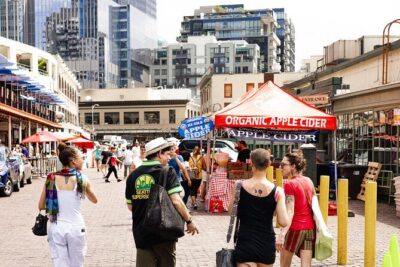
The quest spends time at Pike Place Market and nearby areas like Victor Steinbrueck Park. Pike Place is presented as a special community in downtown Seattle, not just a public market. The app emphasizes hundreds of farmers, craftspeople, small businesses, and residents.
You also get facts that help you see why Pike Place is treated as a historic district. The description includes the nine-acre historic district and notes the market’s role as an incubator and supporter for farmers, artisans, and small businesses. It also mentions that the market was chartered by the City of Seattle to provide services for low-income individuals.
That last detail changes how you interpret the place. If you only see stalls and street performers, you might miss the civic purpose. The quest nudges you to notice the market as a living system.
Victor Steinbrueck Park, at the north end of Pike Place Market, is described as a place where residents and visitors relax, with activities like picnics and sunbathing on summer afternoons. This is a good place to catch your breath during a puzzle walk, especially if you need a calm moment before the final prompts.
Beneath the Streets: Using Storytelling to Read the City’s Layers
The quest includes a segment called Beneath the Streets. It focuses on factual historical information tied to Seattle’s birth, 1890s architecture, and additional stories including the Klondike Gold Rush, Skid Row, and the Coast Salish Peoples who first inhabited the area.
This is not just “fun facts.” It is a way to train your eyes. When you later look at streetscape details, you start noticing how architecture and neighborhood patterns carry layered meanings, not just dates.
In a self-guided format, this kind of narrative segment helps because you are not relying on a guide to explain what you are seeing. The app gives you the scaffolding. Then your real task is to connect that scaffolding to the specific puzzle prompt locations.
Timing and Route Flow: How to Finish Around 1 Hour 30 Minutes
The intended duration is about 1 hour 30 minutes, with operating hours listed from 5:00 AM to 9:00 PM daily. The route from Union Station to the waterfront is naturally walkable, but 10 puzzle stops mean time adds up at each location.
If you want to stay near the target duration, use this approach:
- Start promptly at Union Station once you unlock the quest on your phone.
- Do not overthink the first couple of clues. Get a feel for how the app expects you to look.
- If a clue spot seems missing, move on quickly, then come back only if the app tells you to.
Also, remember that the game is flexible, you can pause and resume. That makes it easier to fit into a day that includes coffee, a quick market snack, or a restroom stop.
Practical Tips: What to Bring and How to Avoid Common Friction
A self-guided puzzle quest is simple, but small things can cause big frustration. Based on common issues people ran into, here are the practical moves that will help you enjoy the experience more.
Bring a charged phone. You are relying on a mobile access code and on-screen instructions for the puzzles and story prompts.
Read the app prompts carefully at unlock time. One person reported confusion about account setup and another reported additional in-app prompts after booking. You do not need to panic, but you do want to avoid being stuck mid-quest because you missed a step.
Expect occasional clue changes. Construction can remove or block puzzle components at specific stops. If that happens, use the provided help features and keep moving rather than losing 30 minutes at one exact spot.
Plan to stay curious at the stops that look ordinary. Some of the best clues will not be the biggest attractions. They can be the detail near an entrance, a specific prop area, or a photo-based element tied to the story.
Who This Quest Fits Best
This self-guided Seattle history puzzle walk is a strong fit if you:
- Like solving puzzles while you walk, not just reading text.
- Want to see several downtown landmarks without booking a full guided tour.
- Prefer to travel at your own pace with the option to pause and resume.
- Are visiting for a short stay and want a structured overview across Pioneer Square, Pike Place, and key downtown stops.
It may be less ideal if you:
- Get frustrated when a physical clue location is blocked or missing.
- Need a guide to keep you moving or to explain details on the spot.
- Have had trouble with app-based activities in the past.
Should You Book the Seattle Downtown Quest?
If you want an inexpensive, structured way to experience downtown Seattle history while walking from Union Station to the Waterfront, this is a solid booking. I like that the format is self-guided, the price is low, and the storyline is tied to real landmarks you can look at immediately.
But I would book with eyes open. Keep your phone charged, plan for the possibility that a clue spot could be affected by construction, and be ready to use hints if you get stuck. If you do that, you will likely end your 1 hour 30 minutes with a clearer sense of how gold rush Seattle, Pioneer Square architecture, and Pike Place Market became what you see today.
FAQ
How long is the Seattle Downtown Quest?
It takes about 1 hour 30 minutes, approximately.
Where does the quest start and end?
It starts at Union Station, 401 S Jackson St, Seattle, WA 98104, and ends at Waterfront Park, 1401 Alaskan Wy, Seattle, WA 98101.
Do I need a physical tour guide?
No. It is self-guided with no physical guide.
Do I need maps or GPS?
No. The quest does not require maps or GPS.
What do I get with the ticket?
You get a mobile access code for the quest and 10 interactive puzzle challenges, plus story content about Seattle’s historical events.
Can I pause and resume the game?
Yes. You can pause and resume anytime.
Is it available in English?
Yes, it is offered in English.
What type of group setup is it?
It is a private tour or activity, so only your group participates.
Are service animals allowed?
Yes, service animals are allowed.
What is the cancellation window for a full refund?
You can cancel up to 24 hours in advance for a full refund.
More Guided Seattle Days
More Tour Reviews in Seattle
One Floor Down, Again
Newest on the Seattle desk
- Seattle: Seattle Mariners Baseball Game at T-Mobile Park
★ 4.7 · 19 reviews - Seattle: Summer Views Cruise
★ 4.3 · 19 reviews - Mount Rainier: Day Hike on the Mountain
★ 5.0 · 19 reviews - Smith Tower: Observatory Access Ticket
★ 3.9 · 19 reviews - One-way Private Airport Shuttle to or from Seattle Tacoma Airport
★ 4.0 · 20 reviews
Historic Seattle Walking Tours, side by side.
★ 4.5Beneath The Streets Underground History TourFrom $298,006 reviews
★ 4.6Guided Underground Walking TourFrom $312,144 reviews
★ 5.0Henry Art Tours-Come See the Fun Side of Seattle Art/Pubs/History27 reviews
Six Women: A Seattle History TourFrom $2920 reviews
★ 5.0Full-Day Small-Group Bainbridge Island Wine and History TourFrom $29914 reviews
★ 4.5Seattle Time Travel Exploration Game and TourFrom $79 reviews
Seattle pages with this tour